Community-developed gardens, farms, markets, and stores, built to last. This is Cornucopia's commitment, and the story of how we'll achieve it begins below.
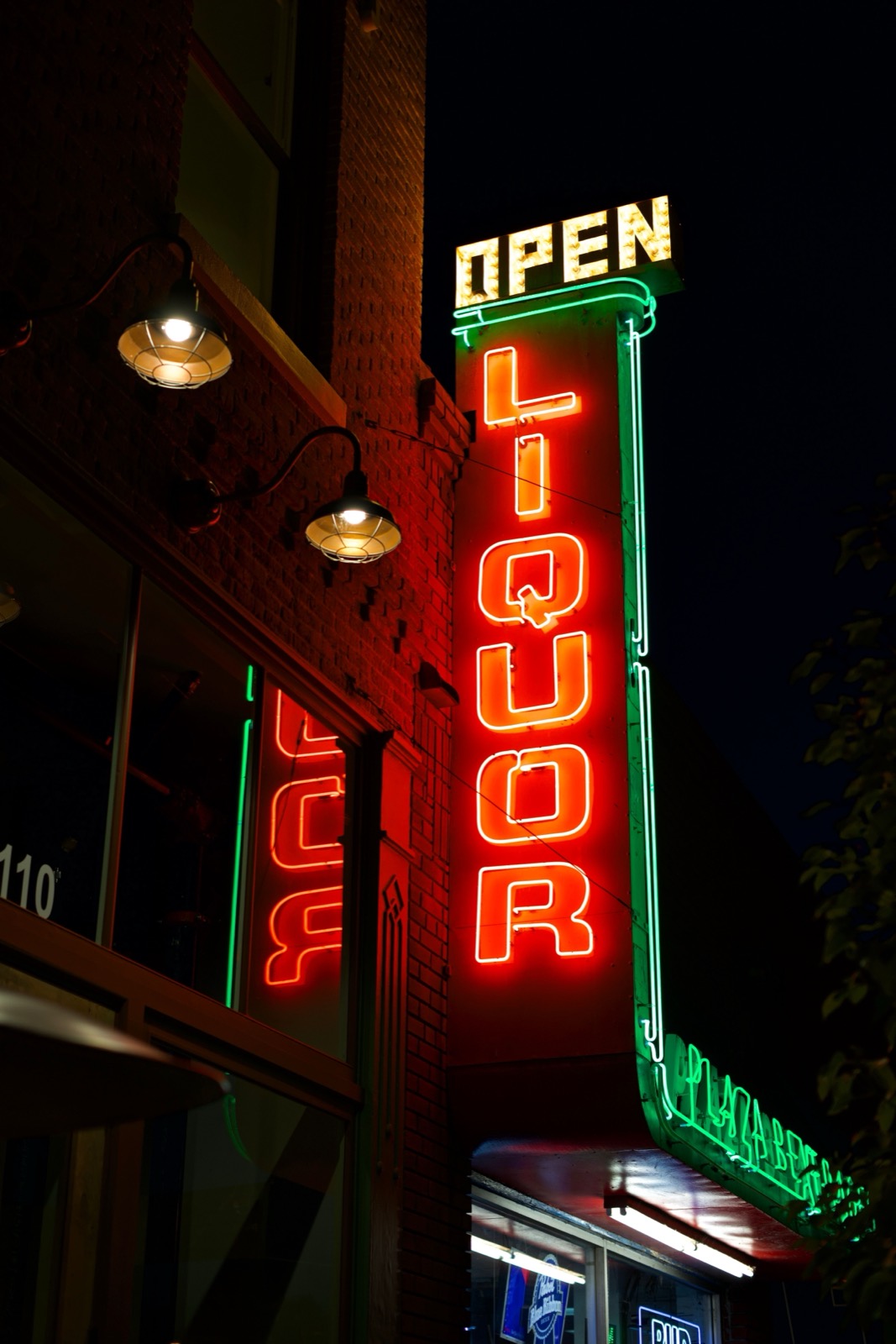
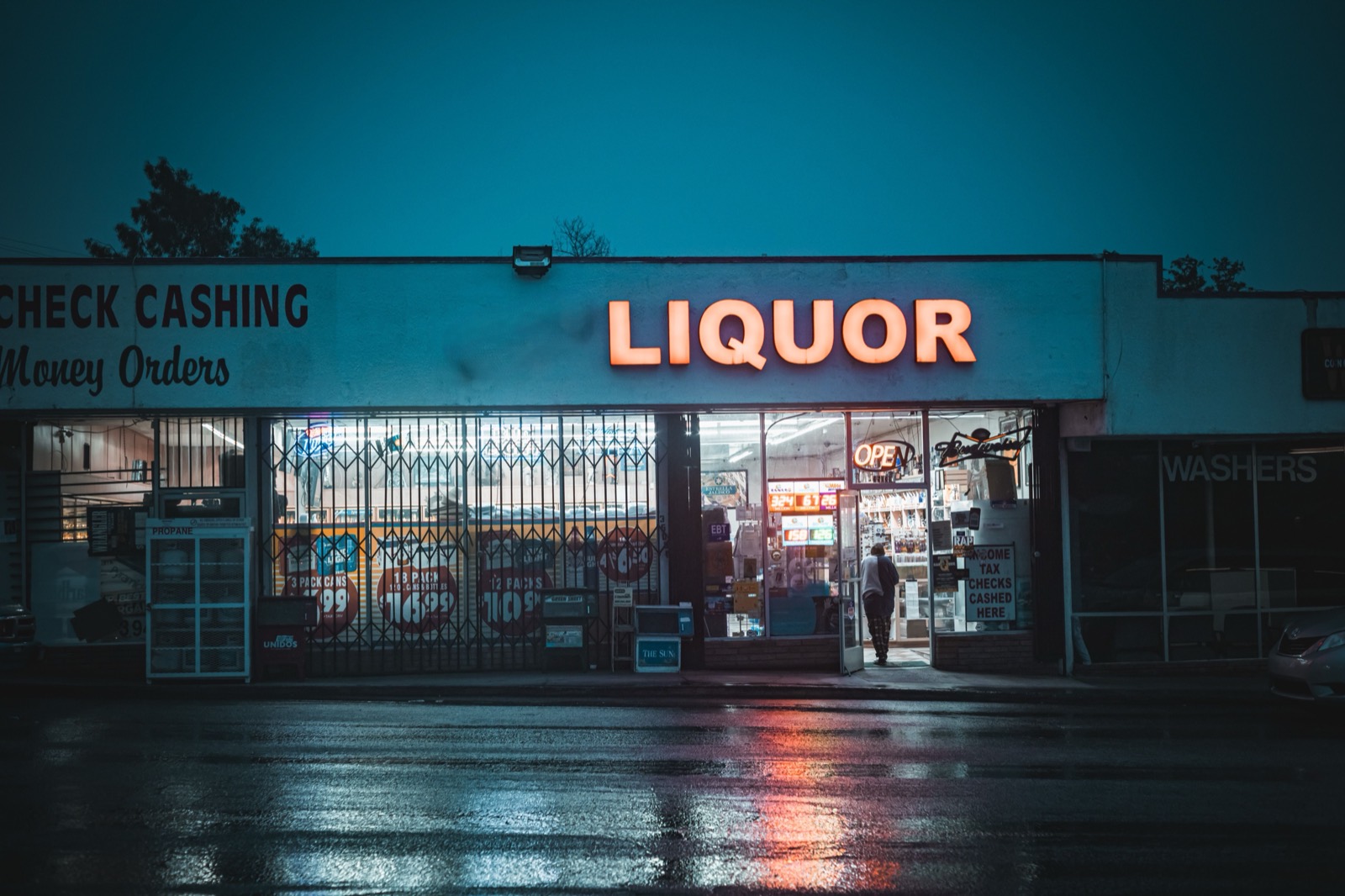
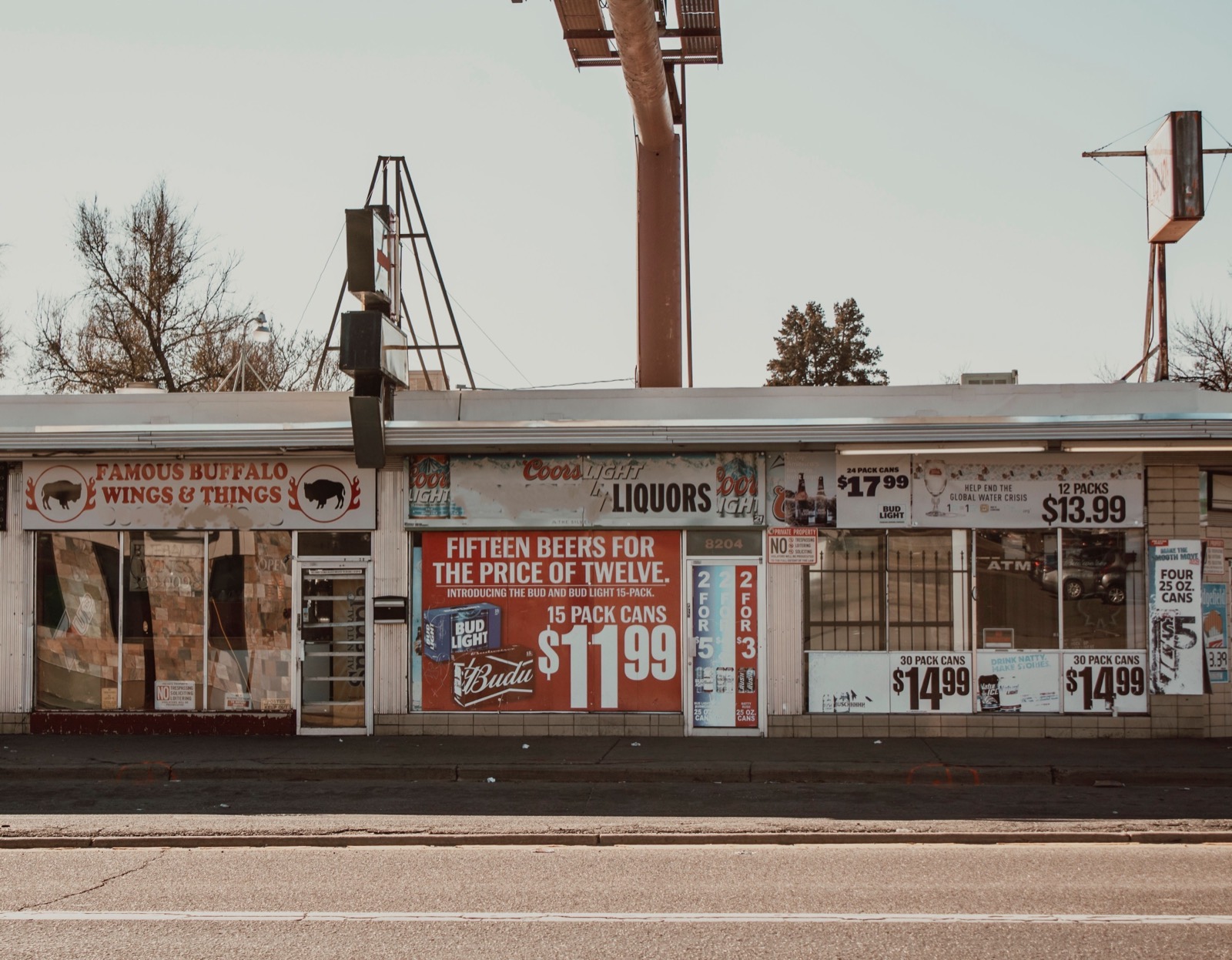
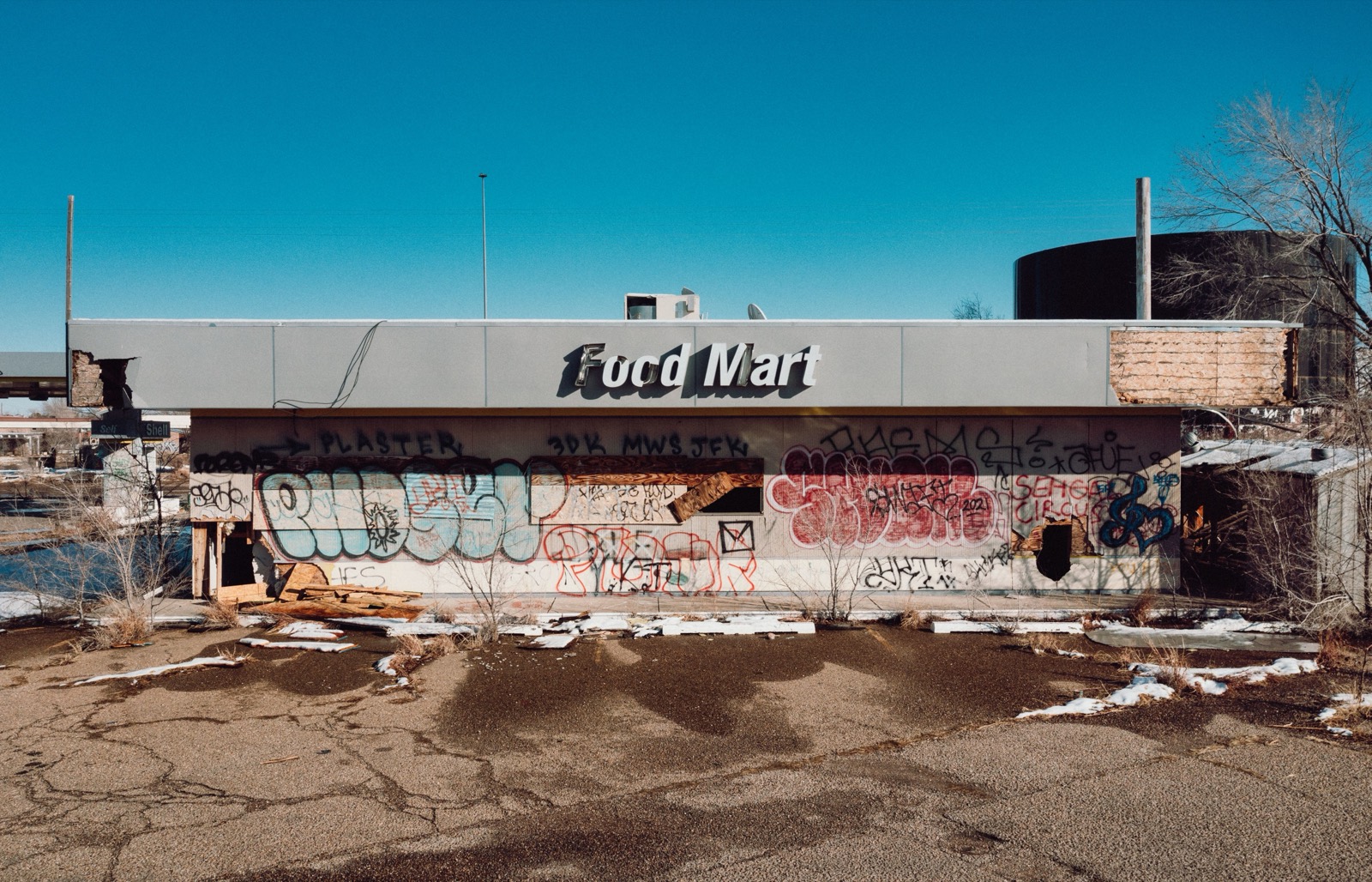
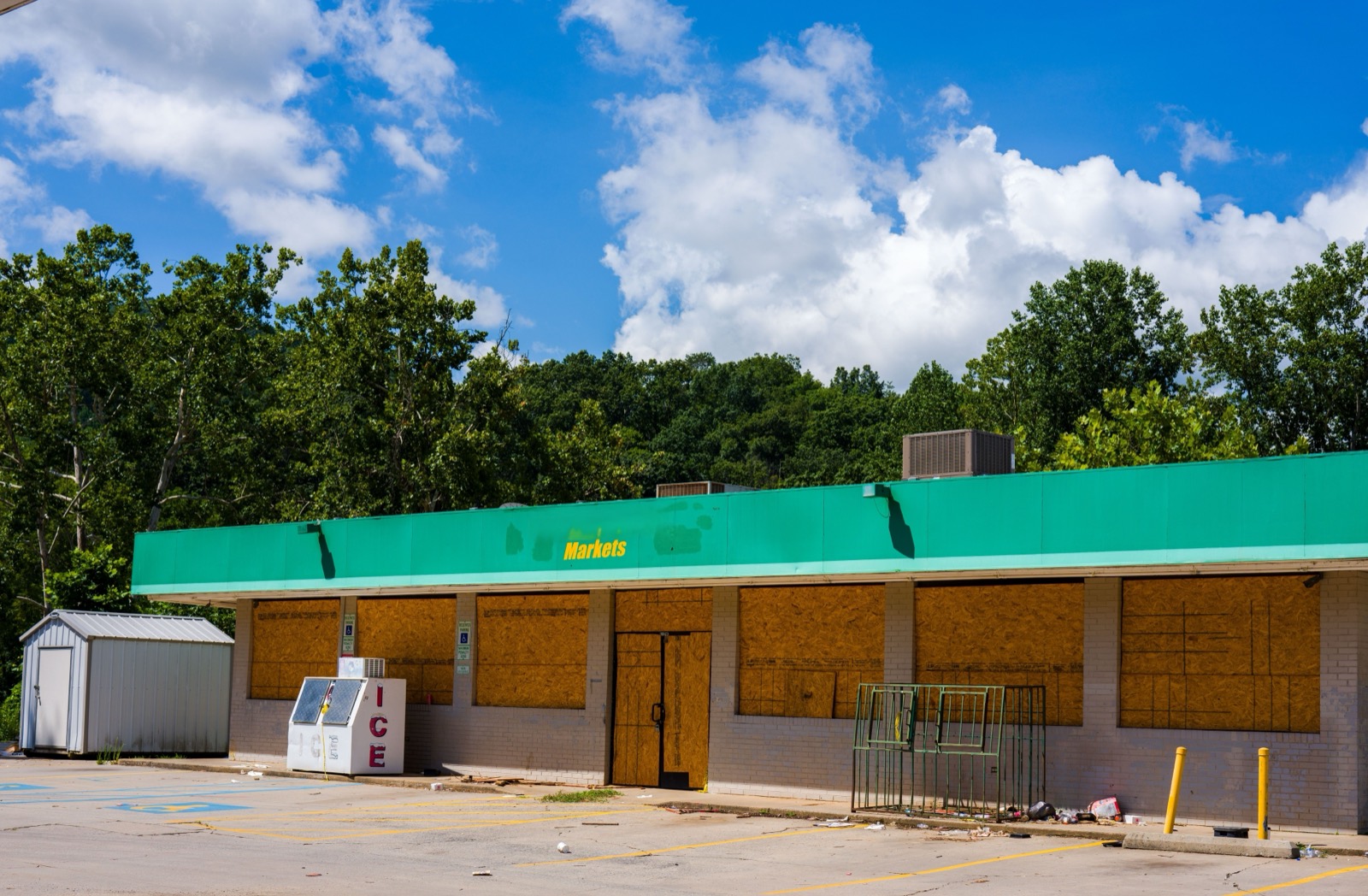
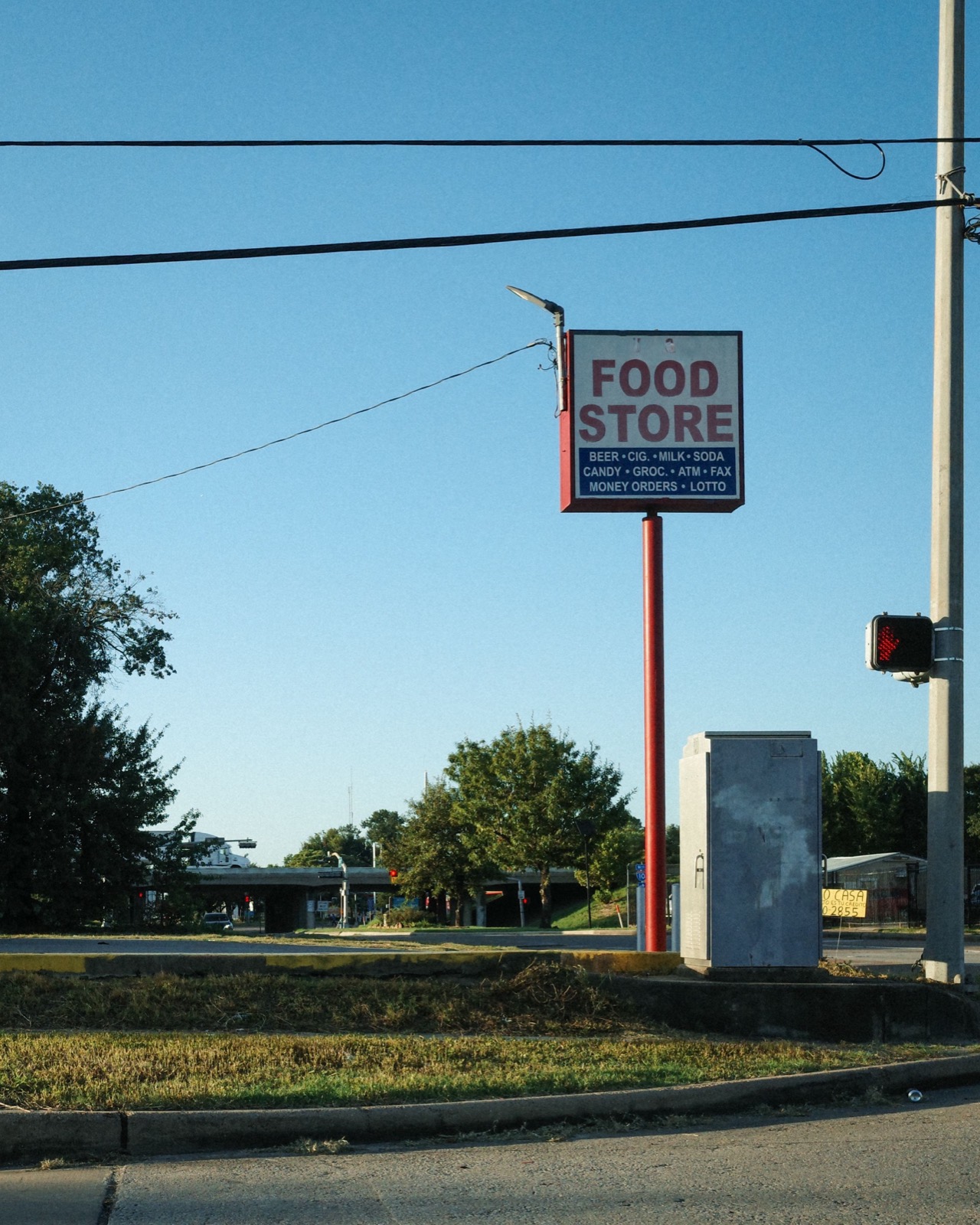
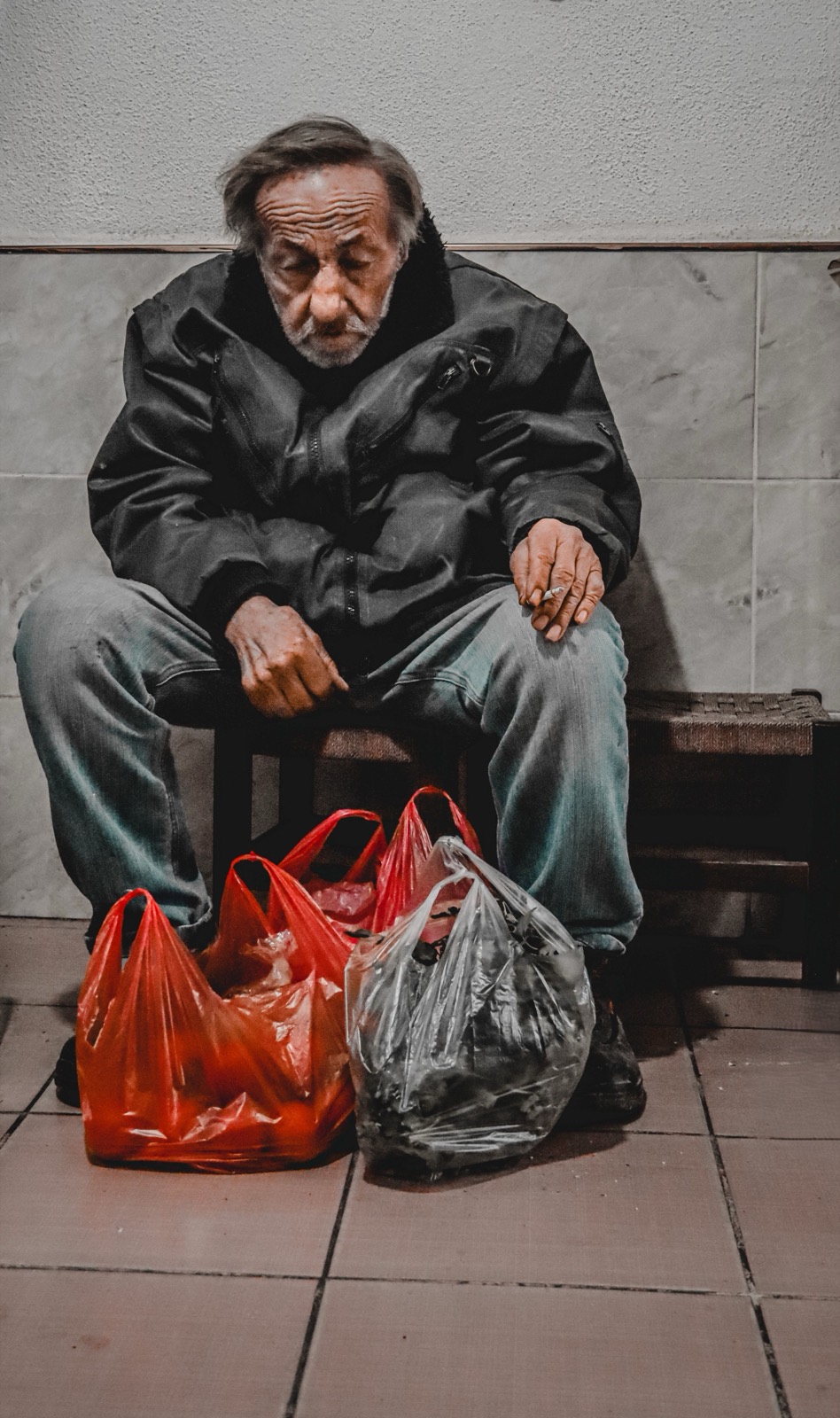
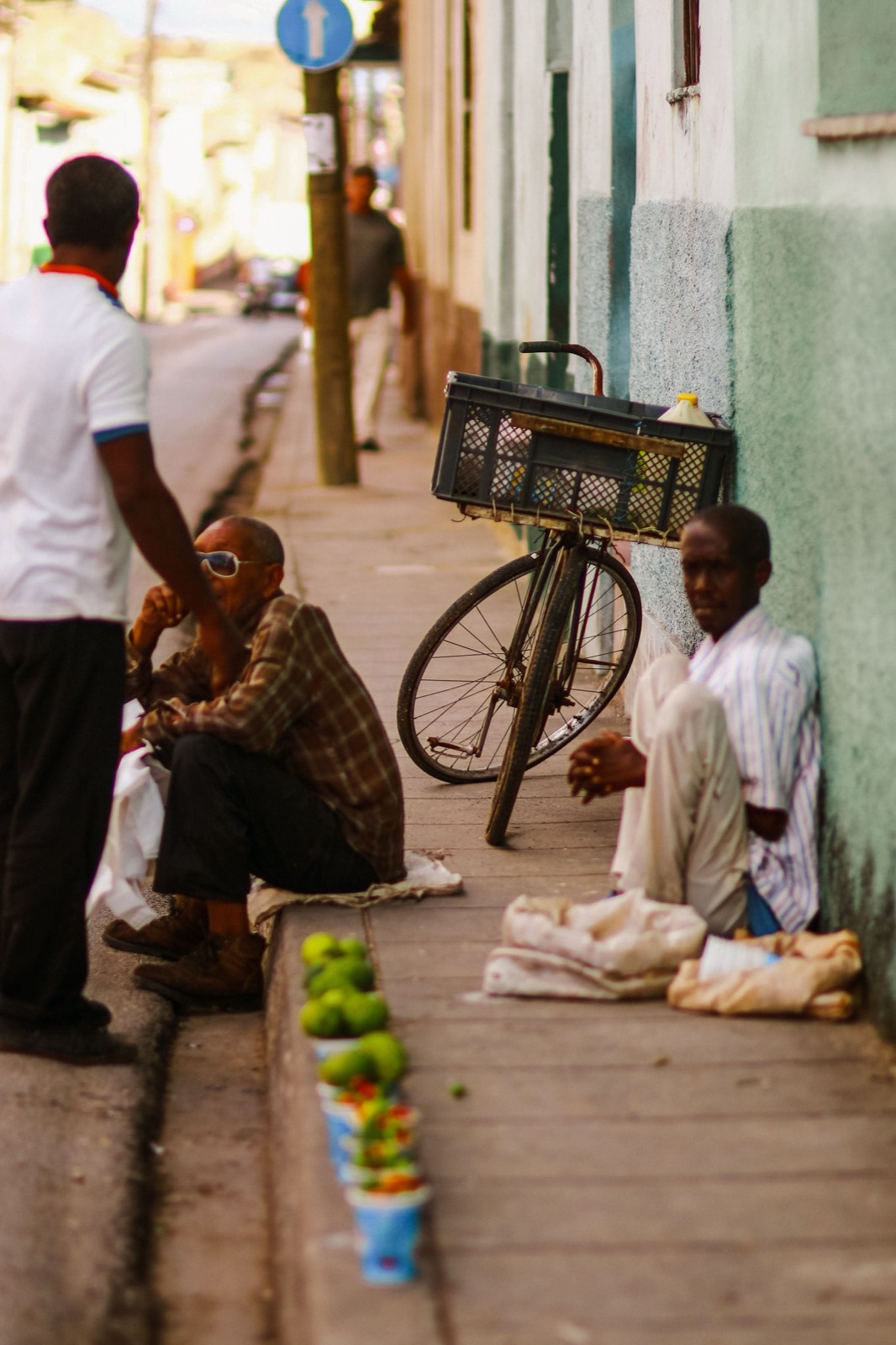
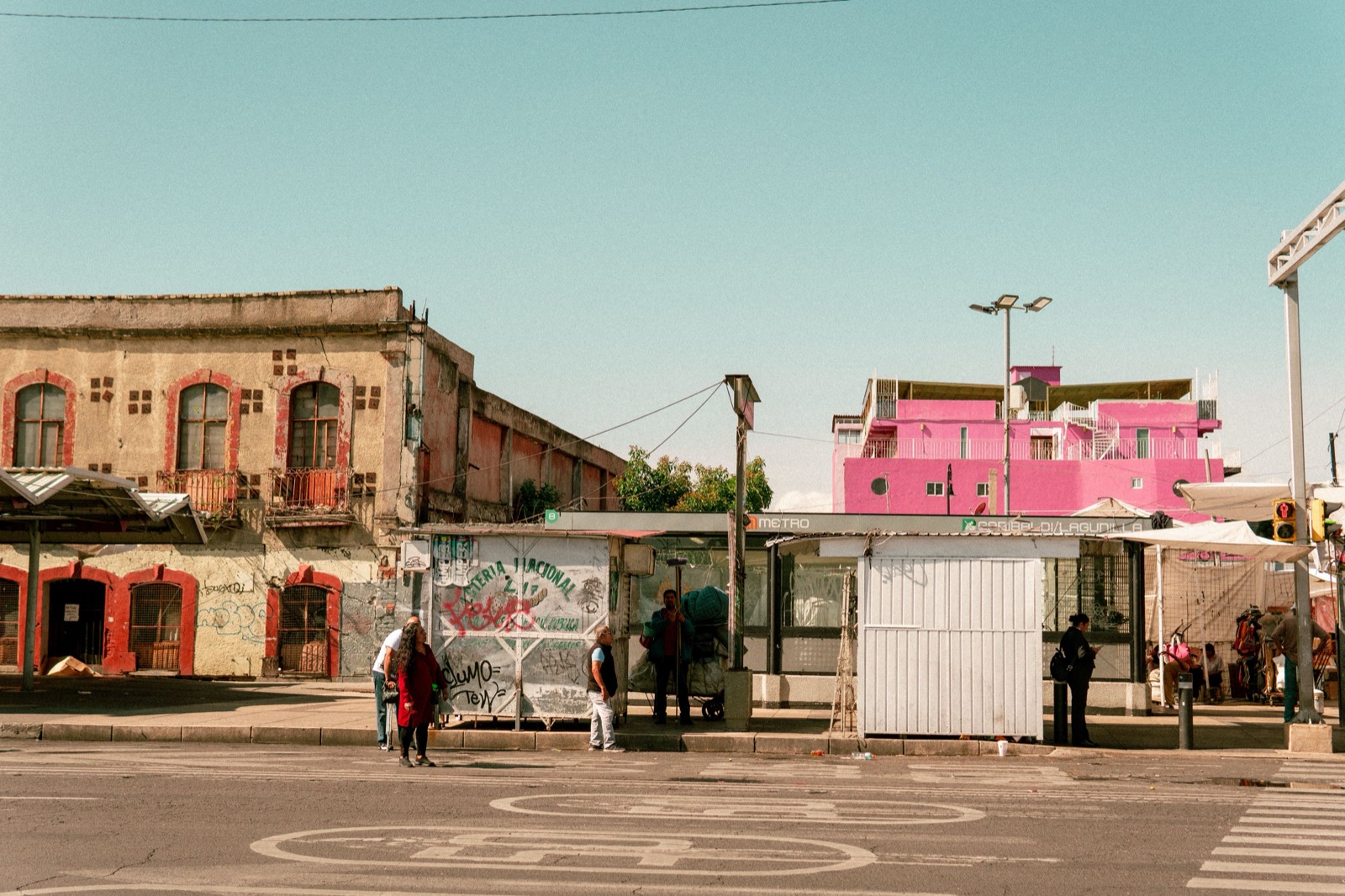
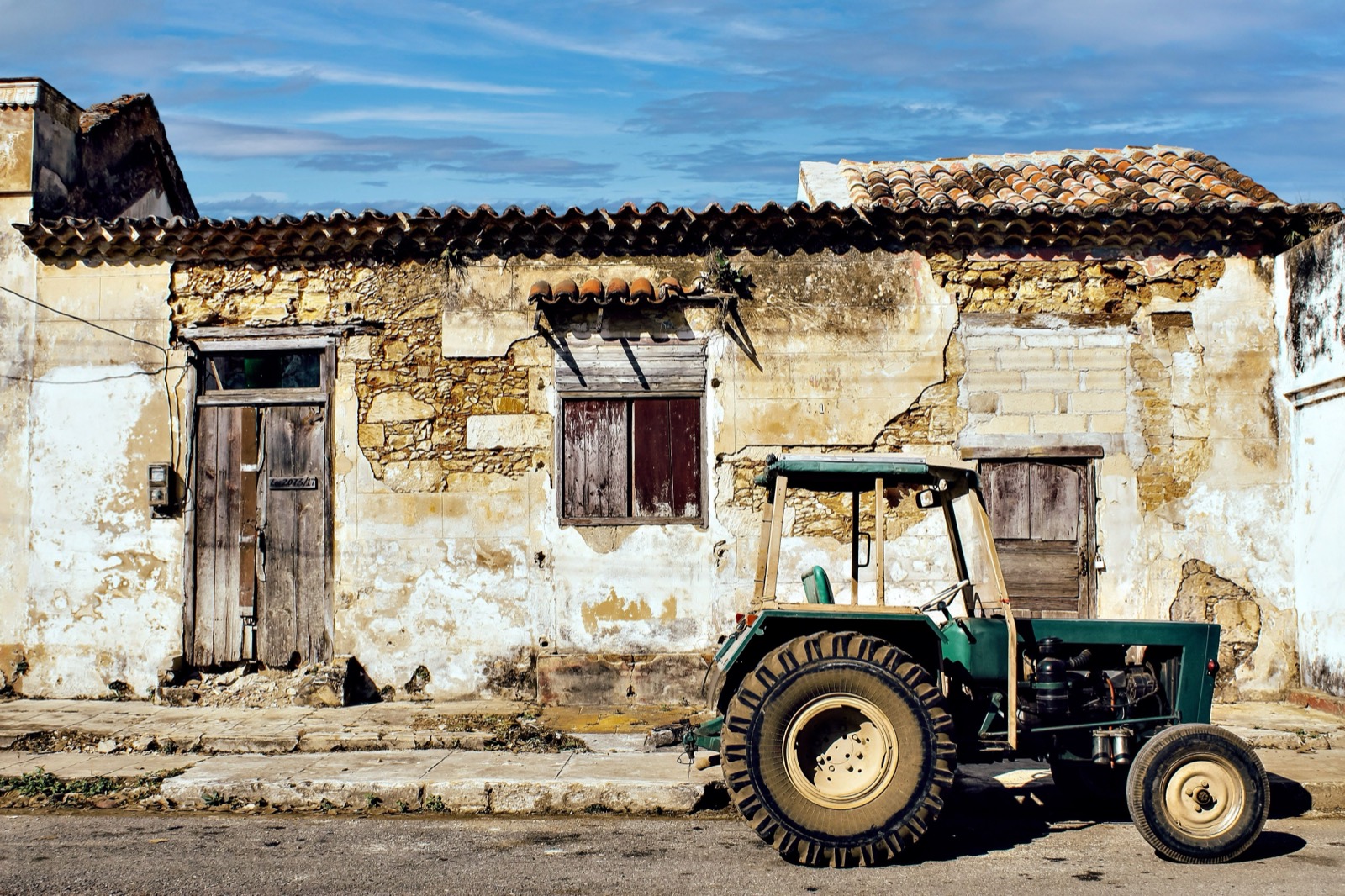
A neighborhood saturated with convenience and liquor stores, yet lacking adequate bus stops, grocery stores or food markets within a mile, is no accident. It reflects a deliberate restriction of access to nutritious, high-quality food for families who need it.
Food deserts are geographical areas that lack sufficient supply of fresh vegetables, fruits, and healthful, affordable whole foods.American Nutrition Association
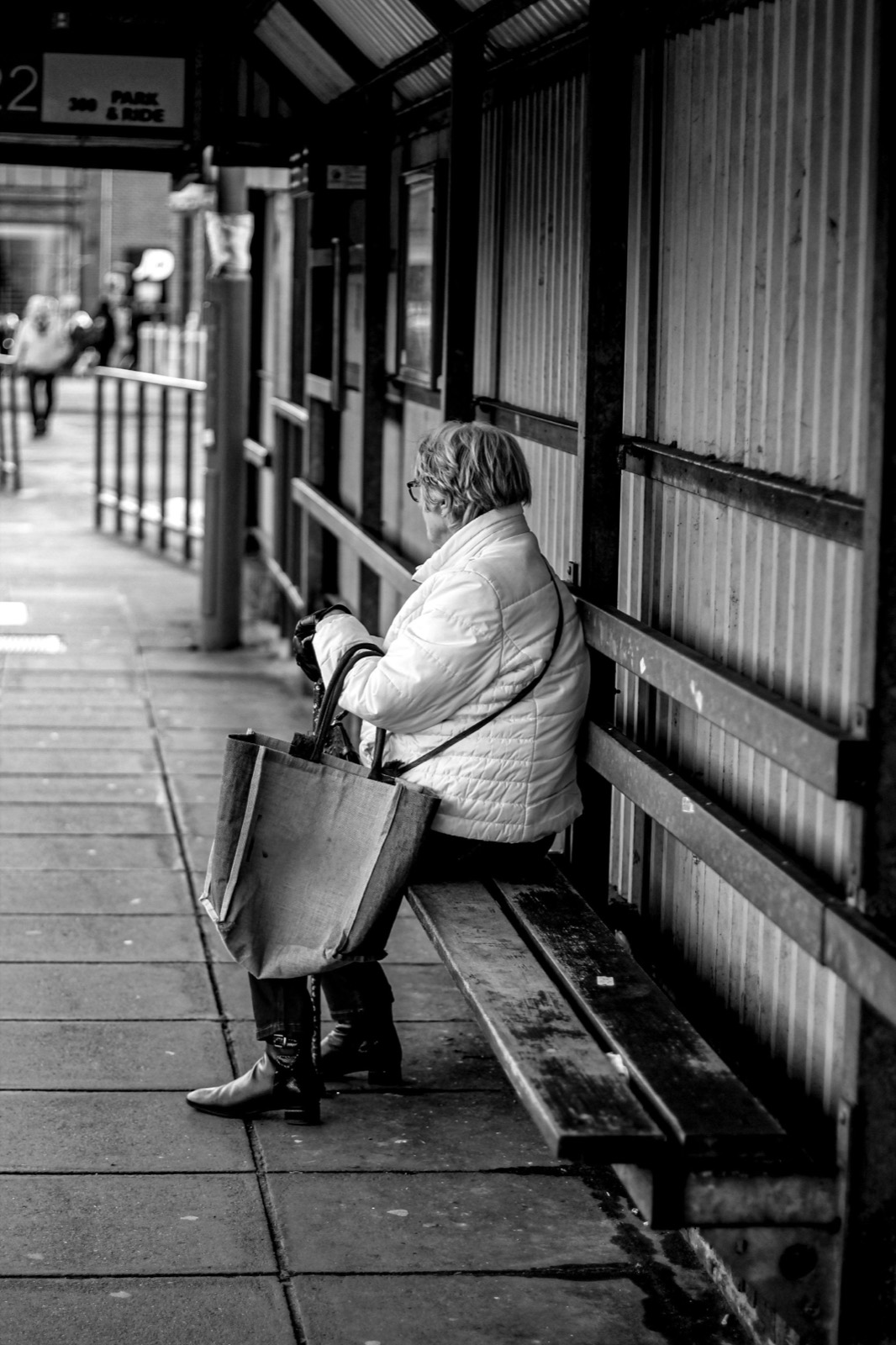
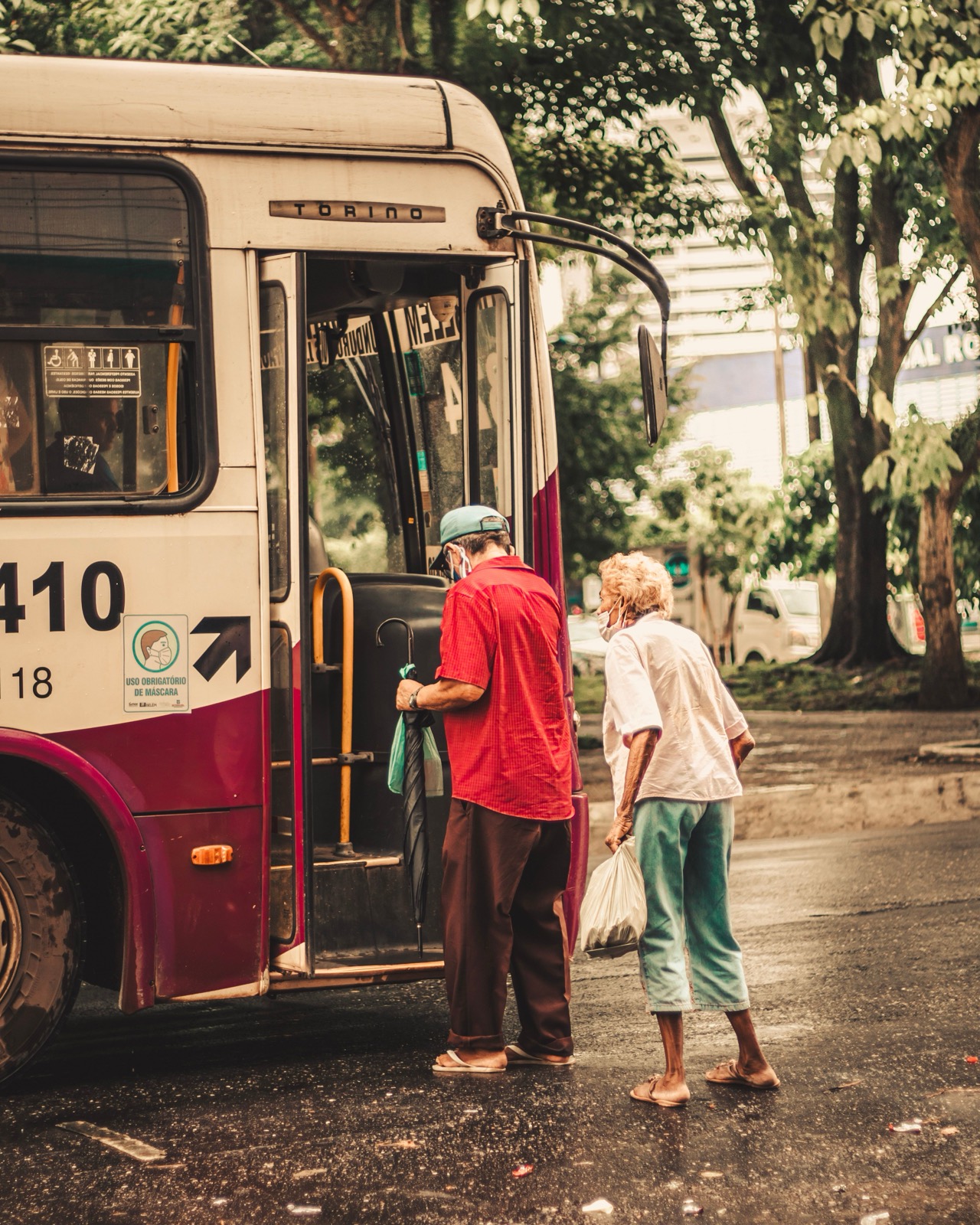
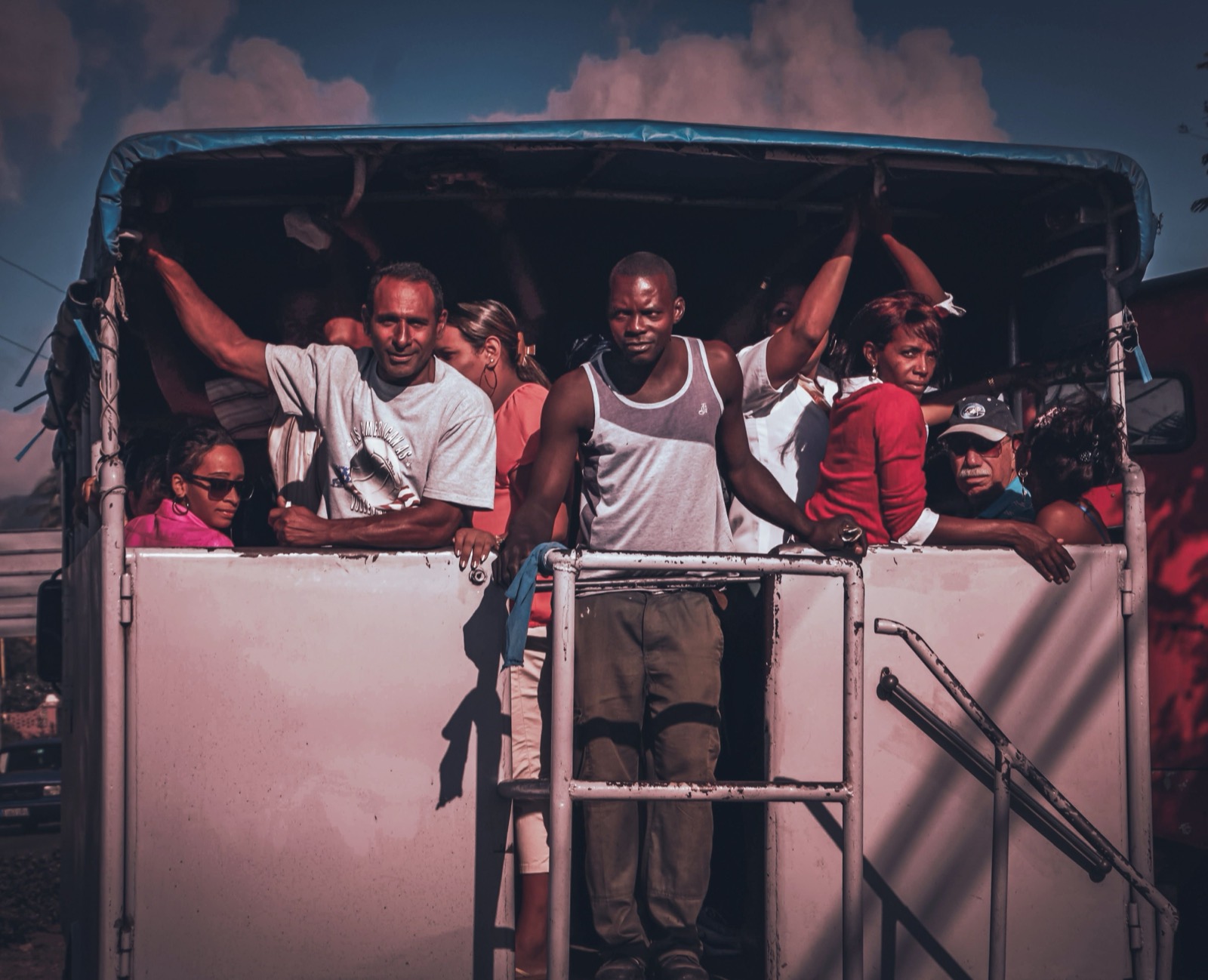
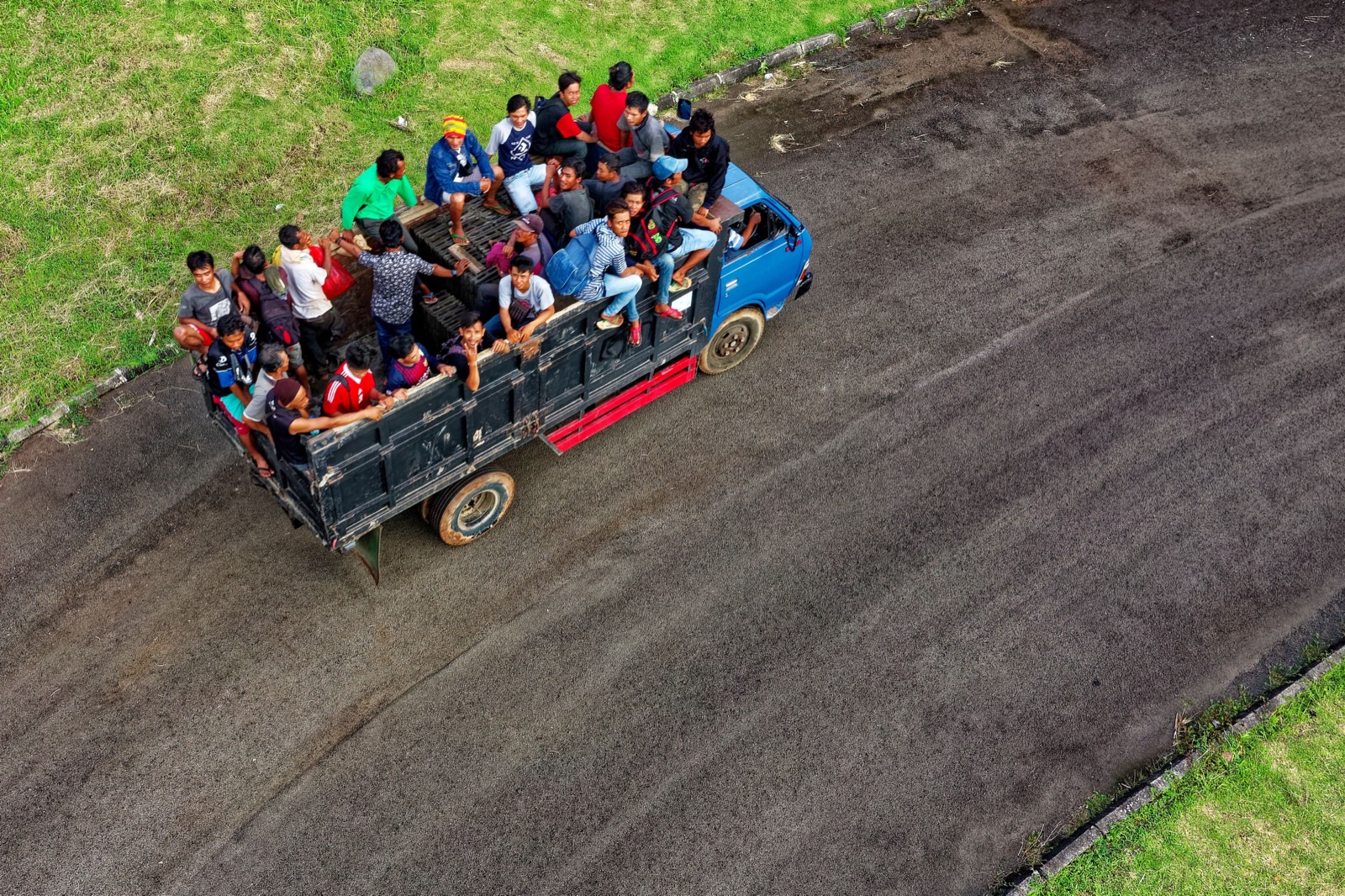
Along one Georgia thoroughfare, an aging grocery anchors one end and a warehouse club the other. Across the three miles between them, liquor stores are the only places selling food. For families without a car, access to healthy food depends on public transportation services.
From our team's own drive, 2026An area in the United States with limited access to affordable and nutritious food, particularly such an area composed of predominantly lower-income neighborhoods and communities.2008 Farm Bill, Section 7527
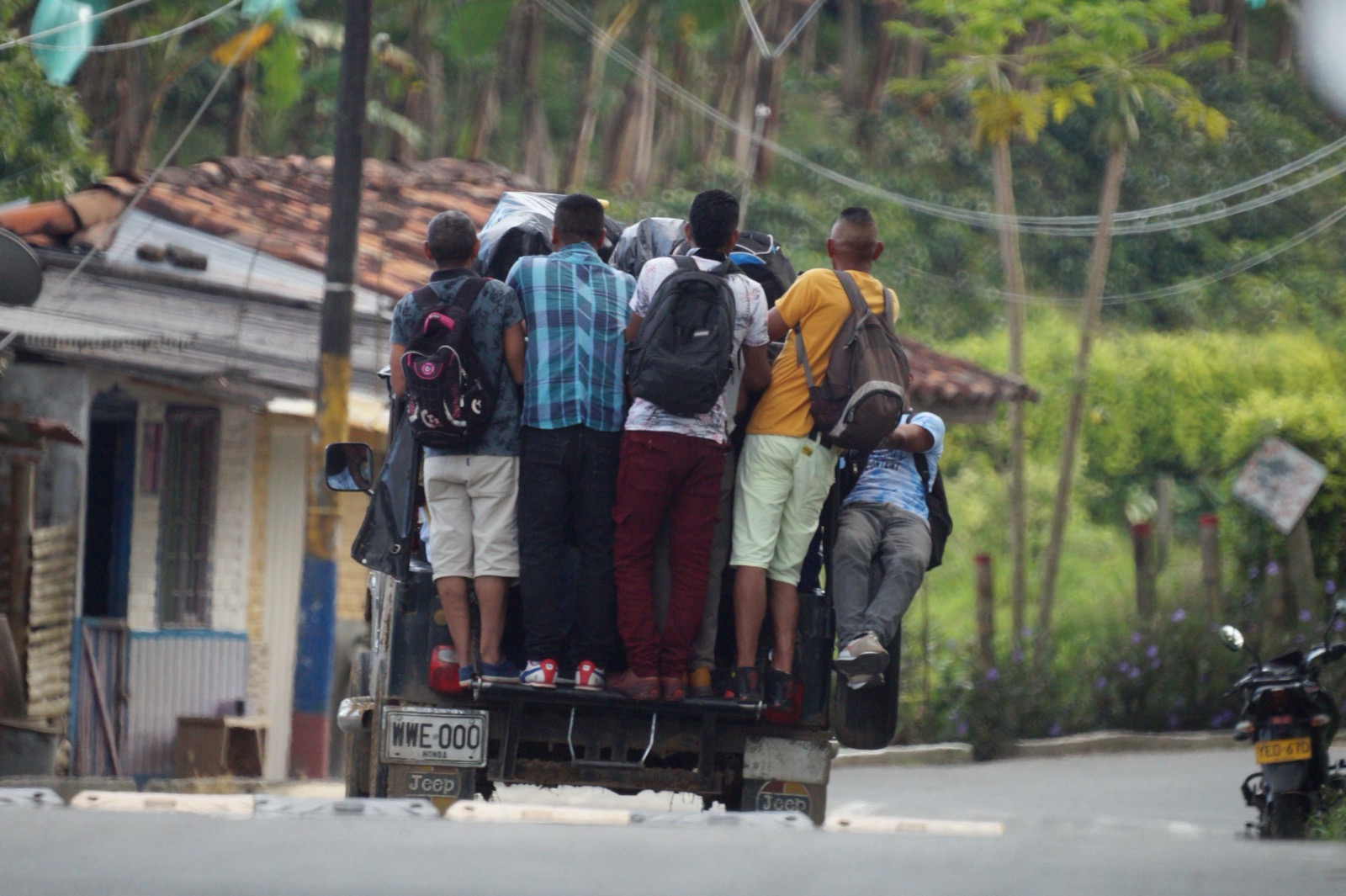
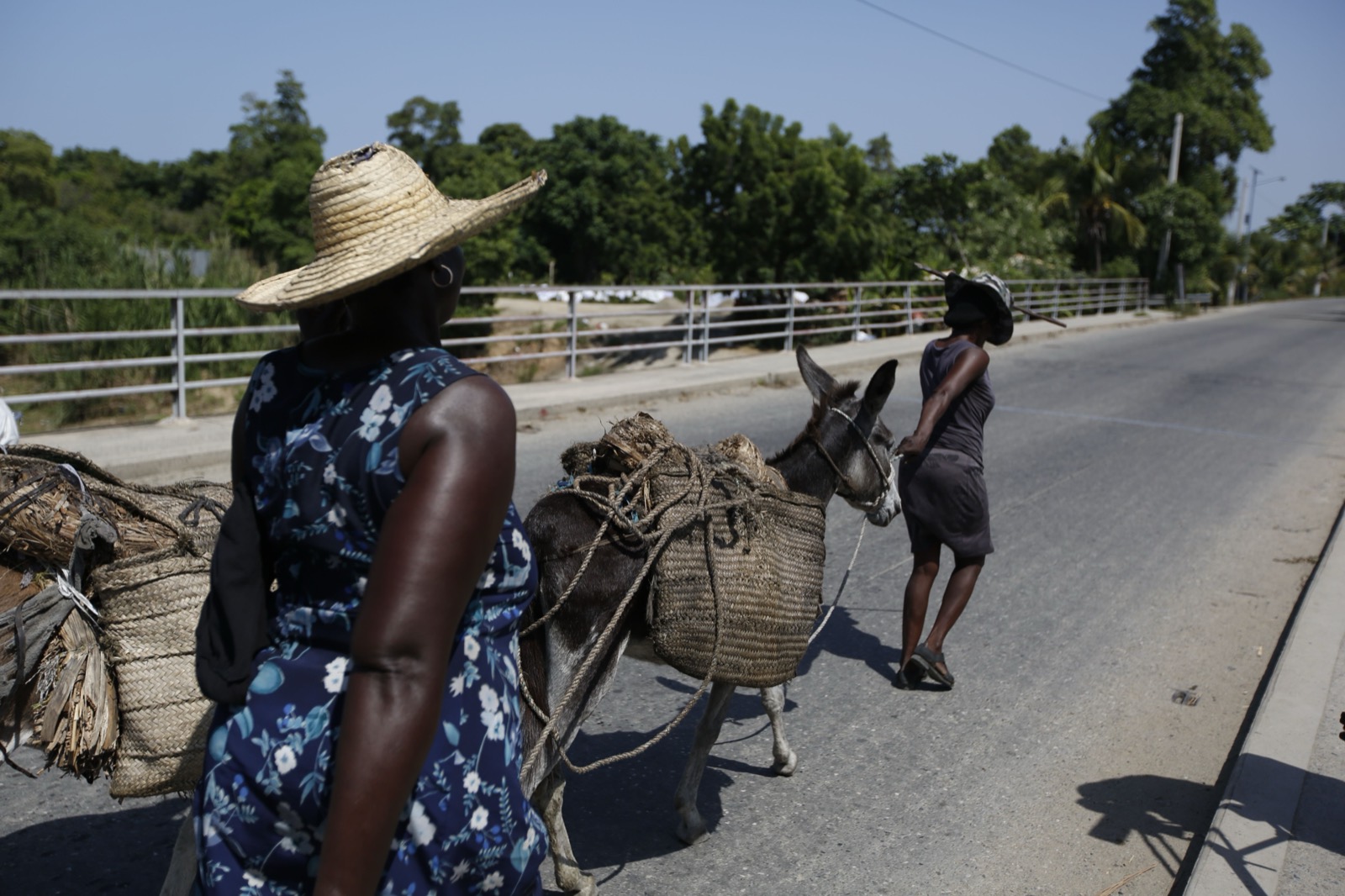
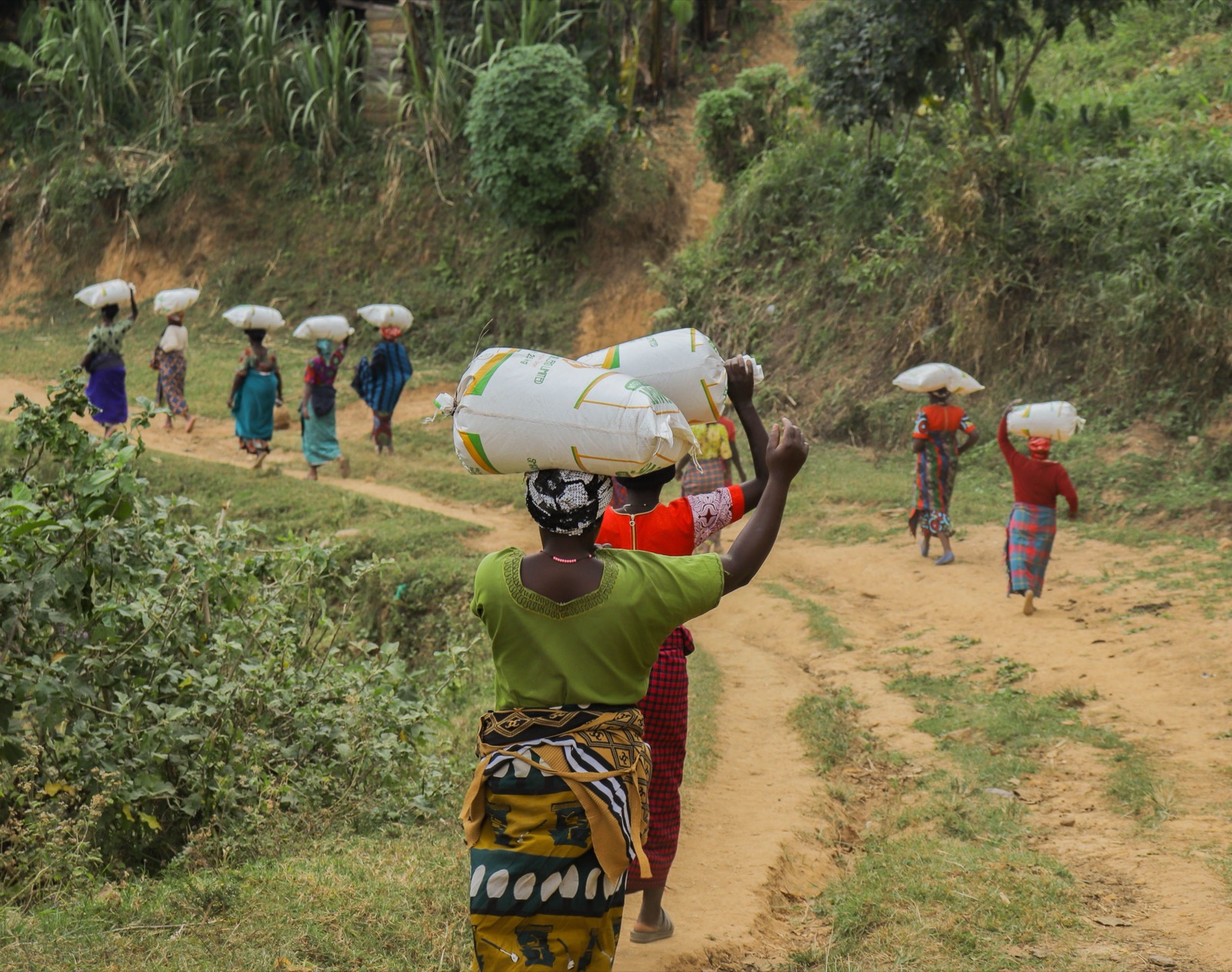
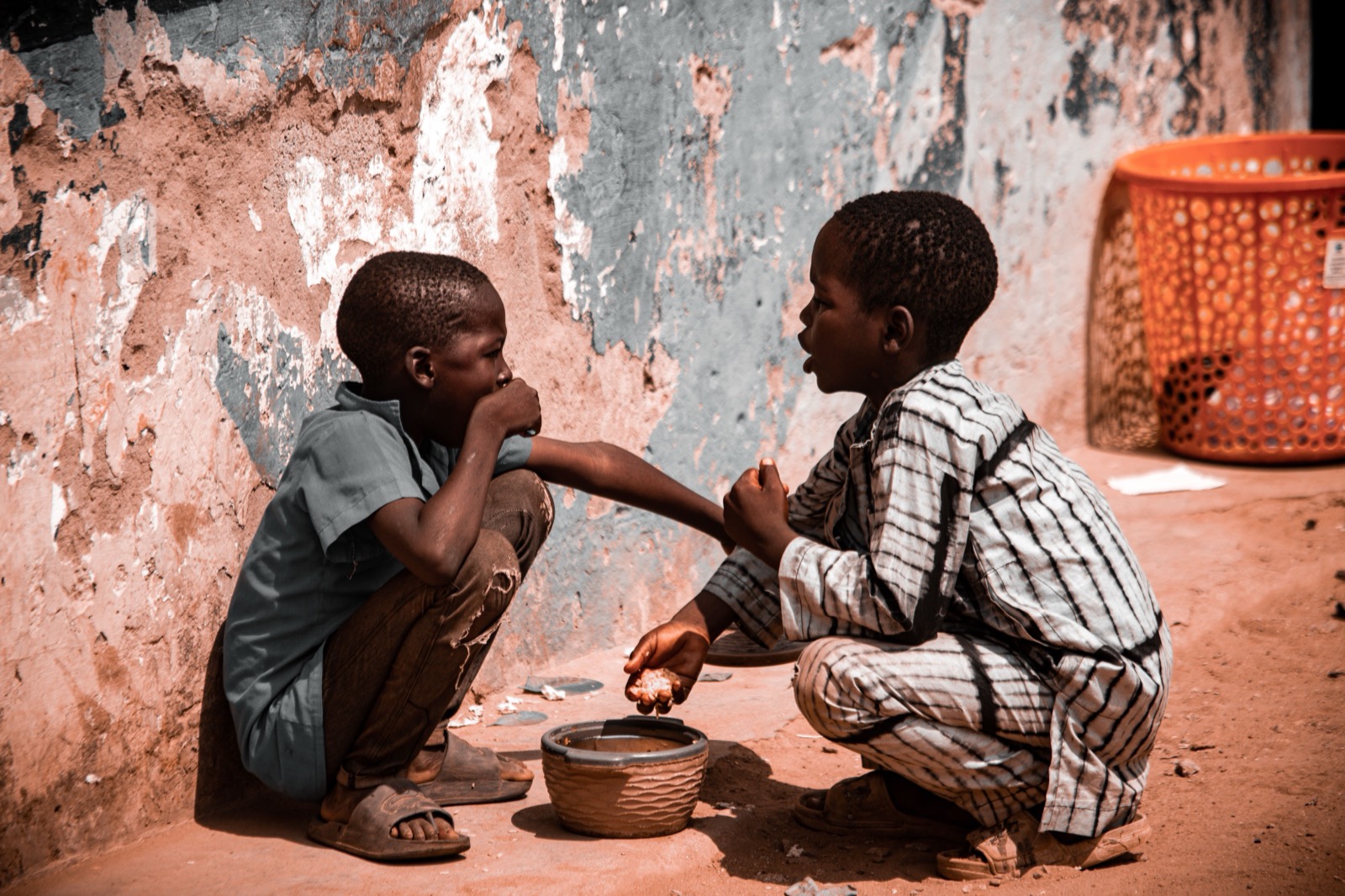
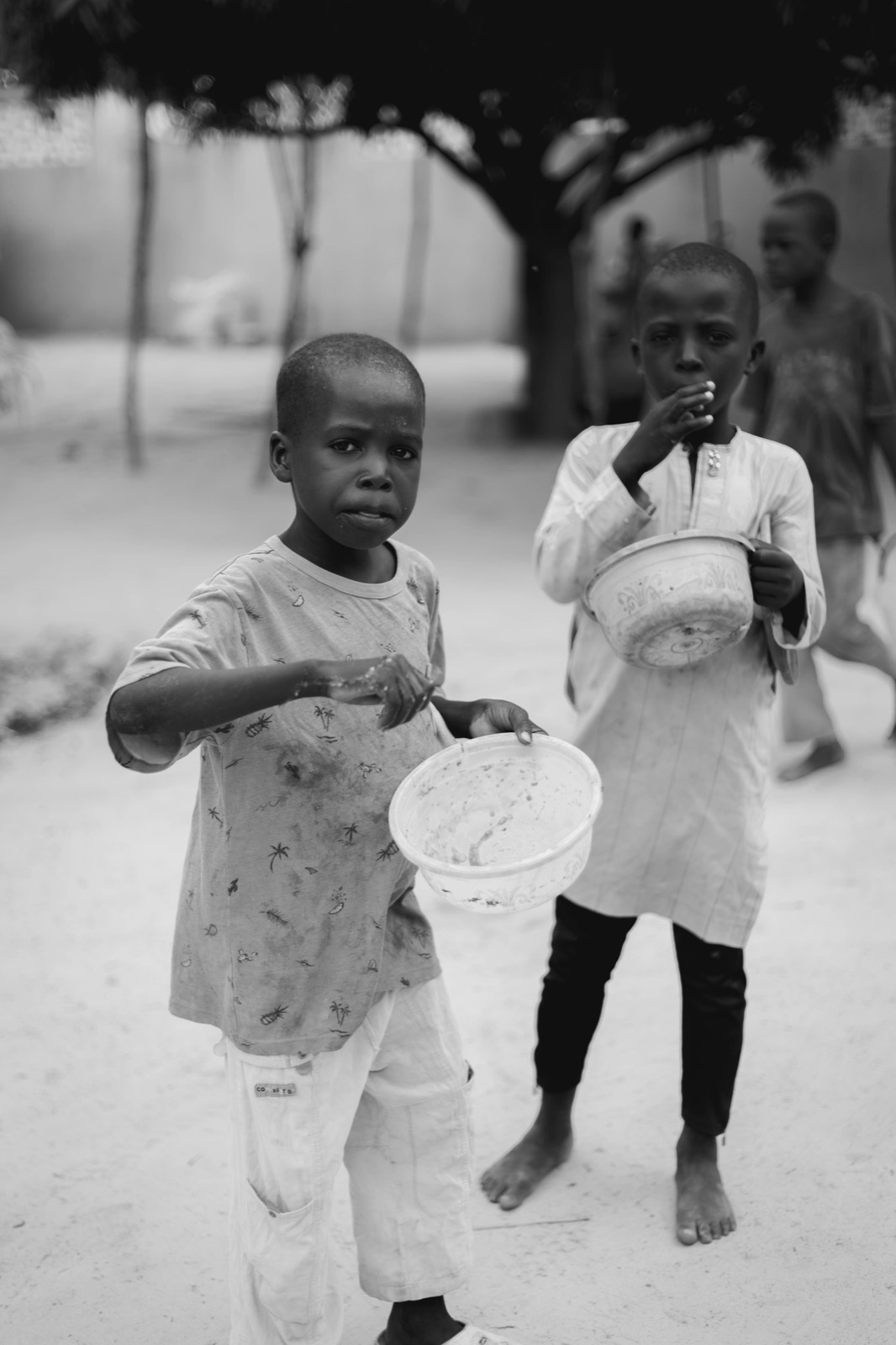
A global food desert is a geographic area where residents have little to no access to affordable, fresh, and nutritious food, typically due to a lack of nearby grocery stores and reliable transportation.Sunhak Peace Prize
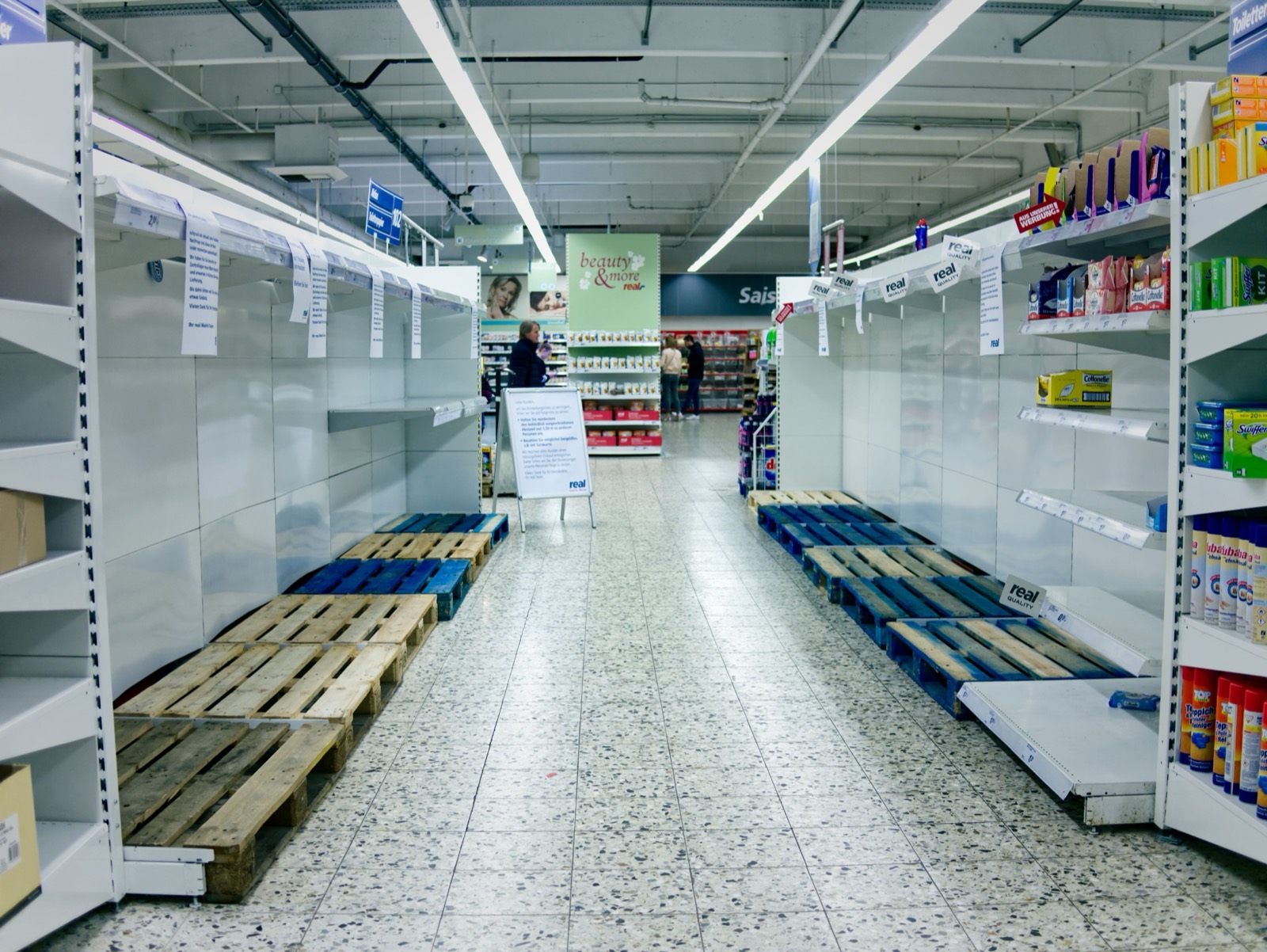
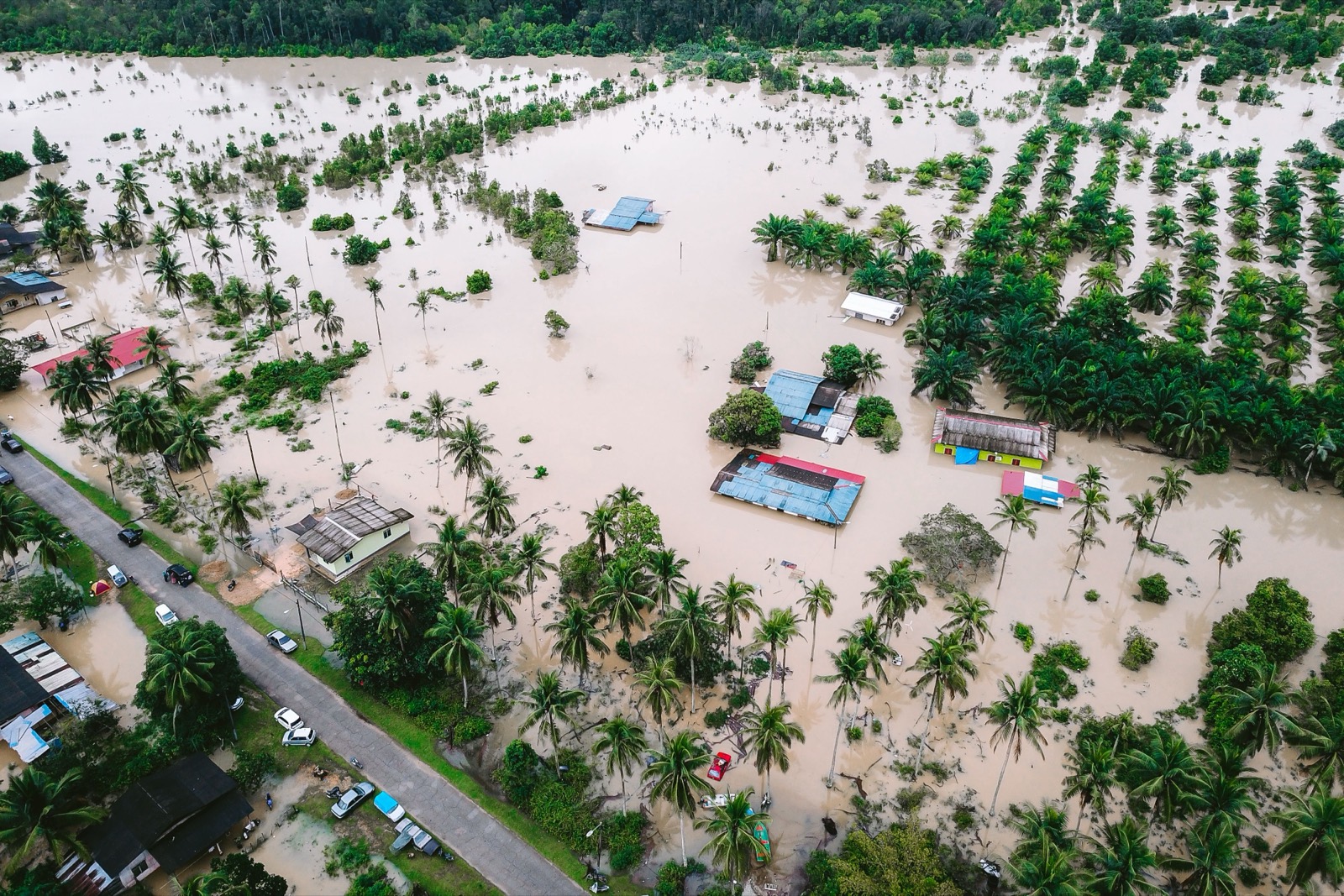
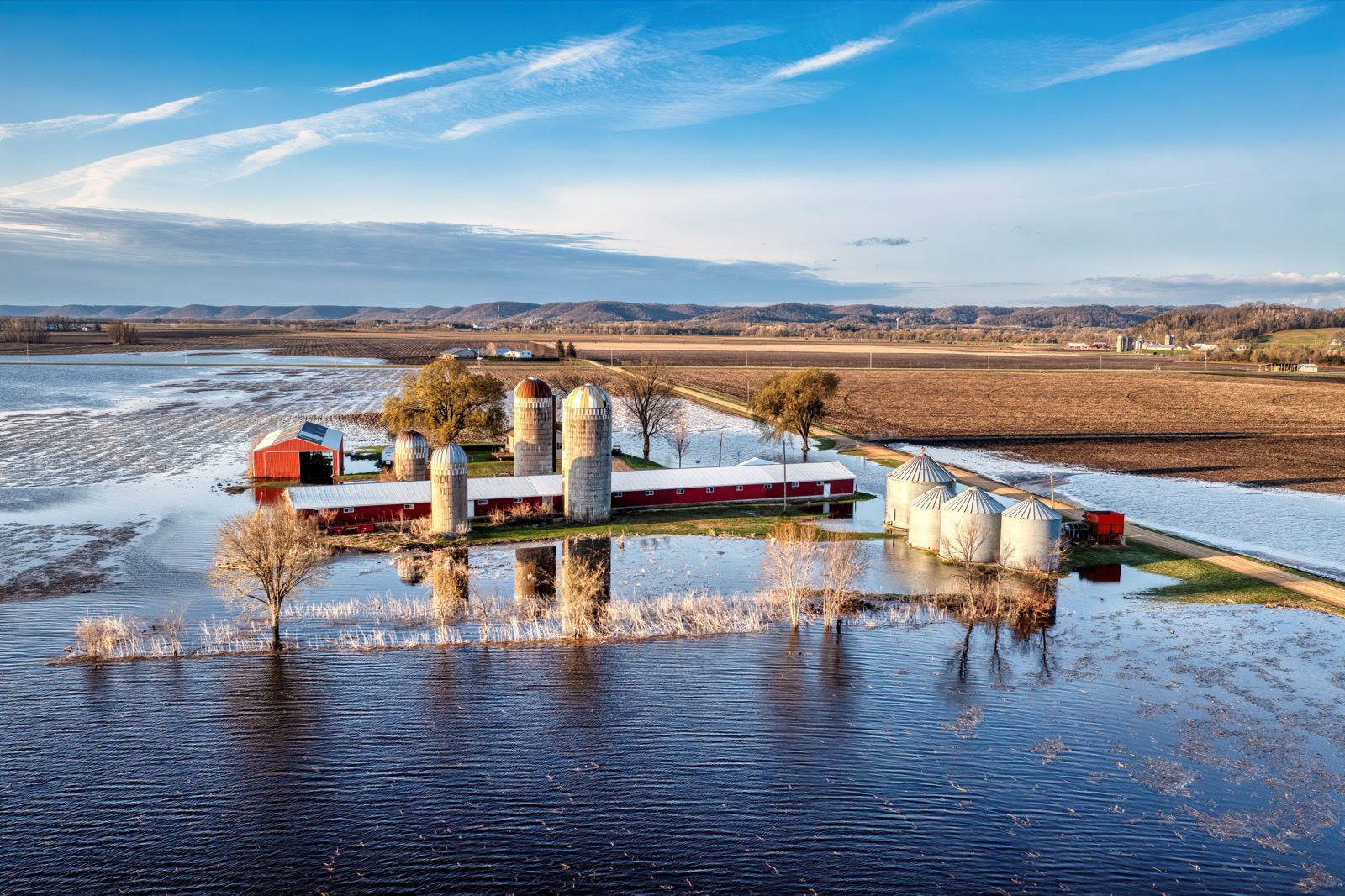
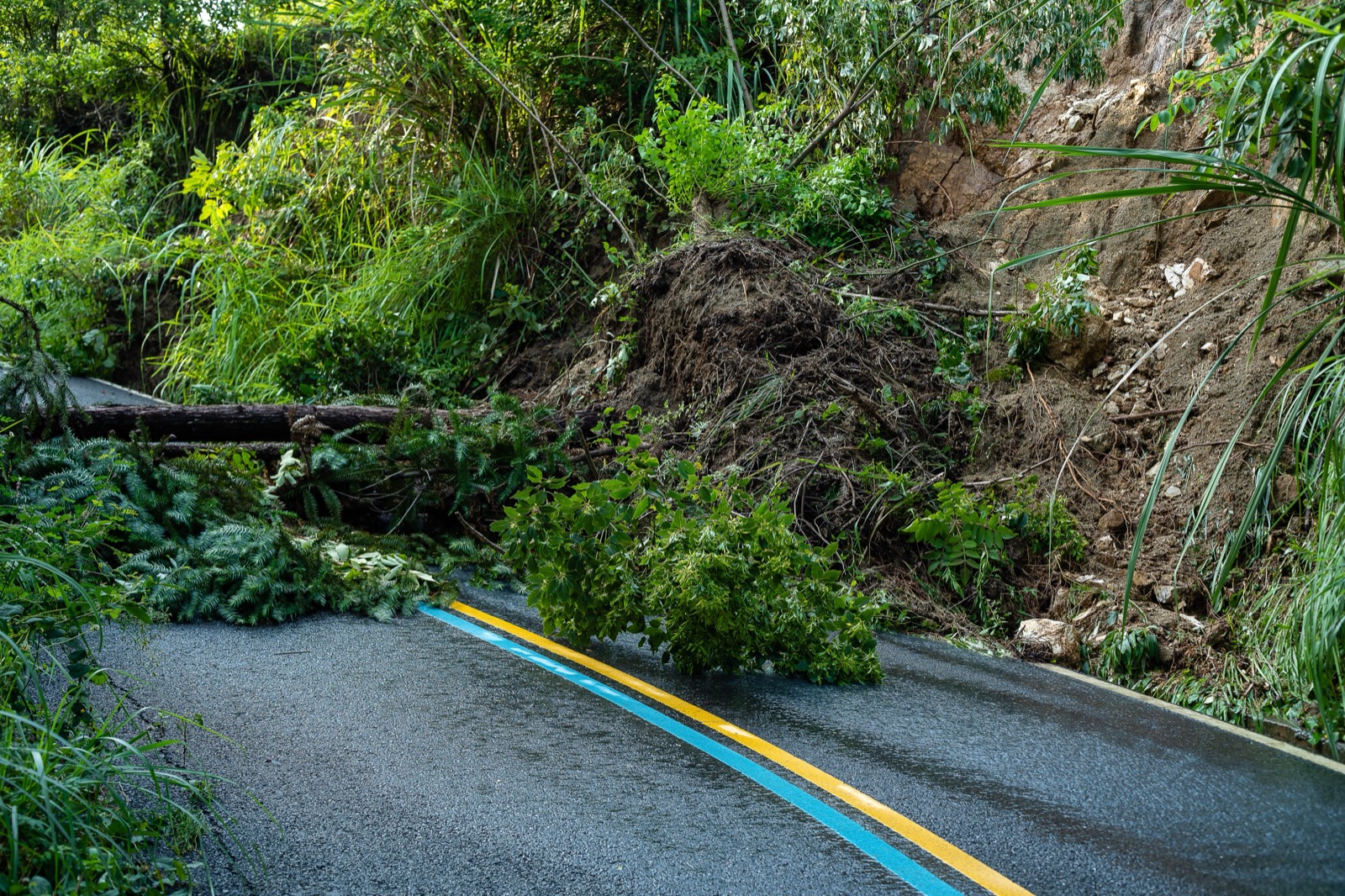
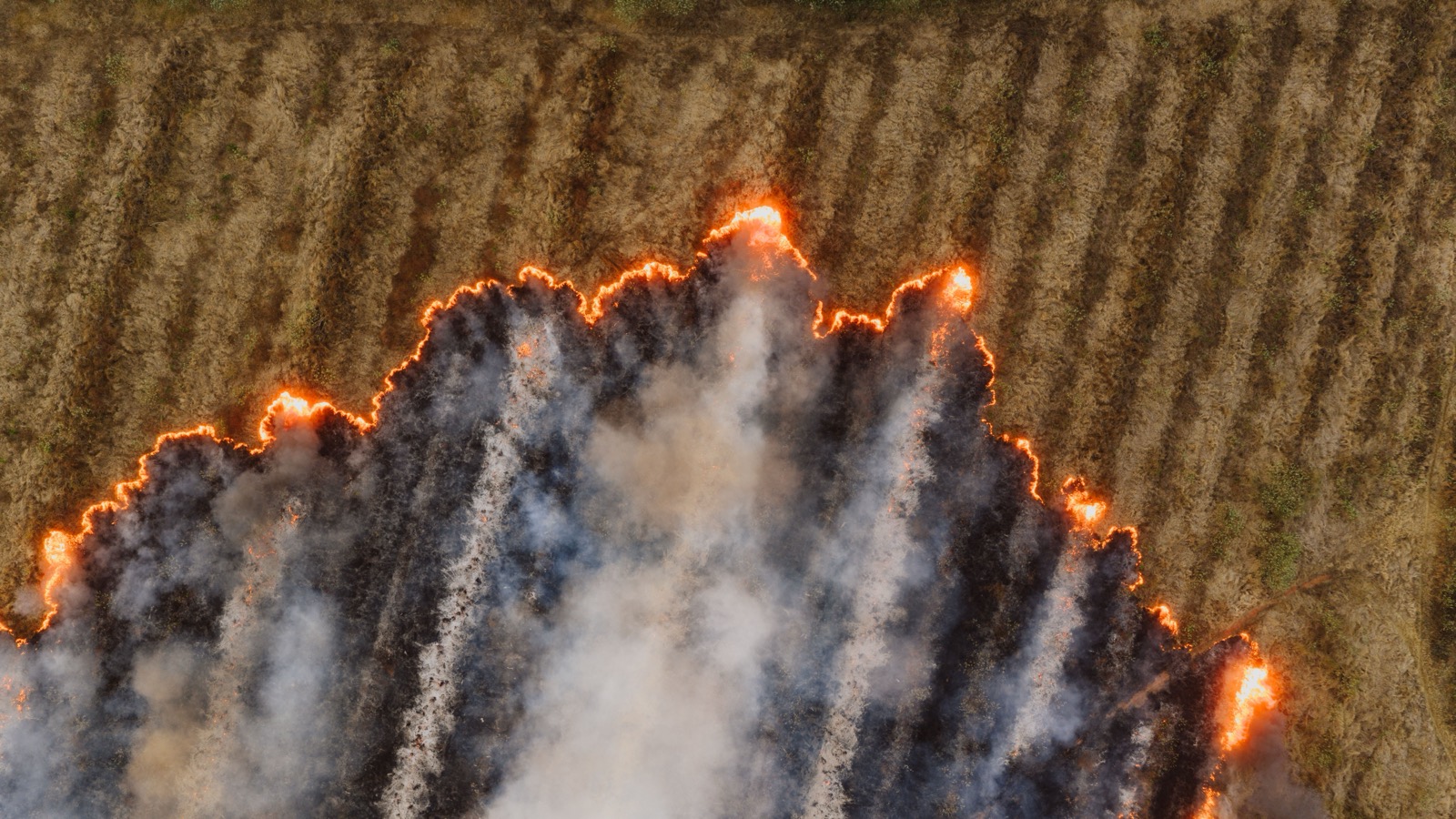
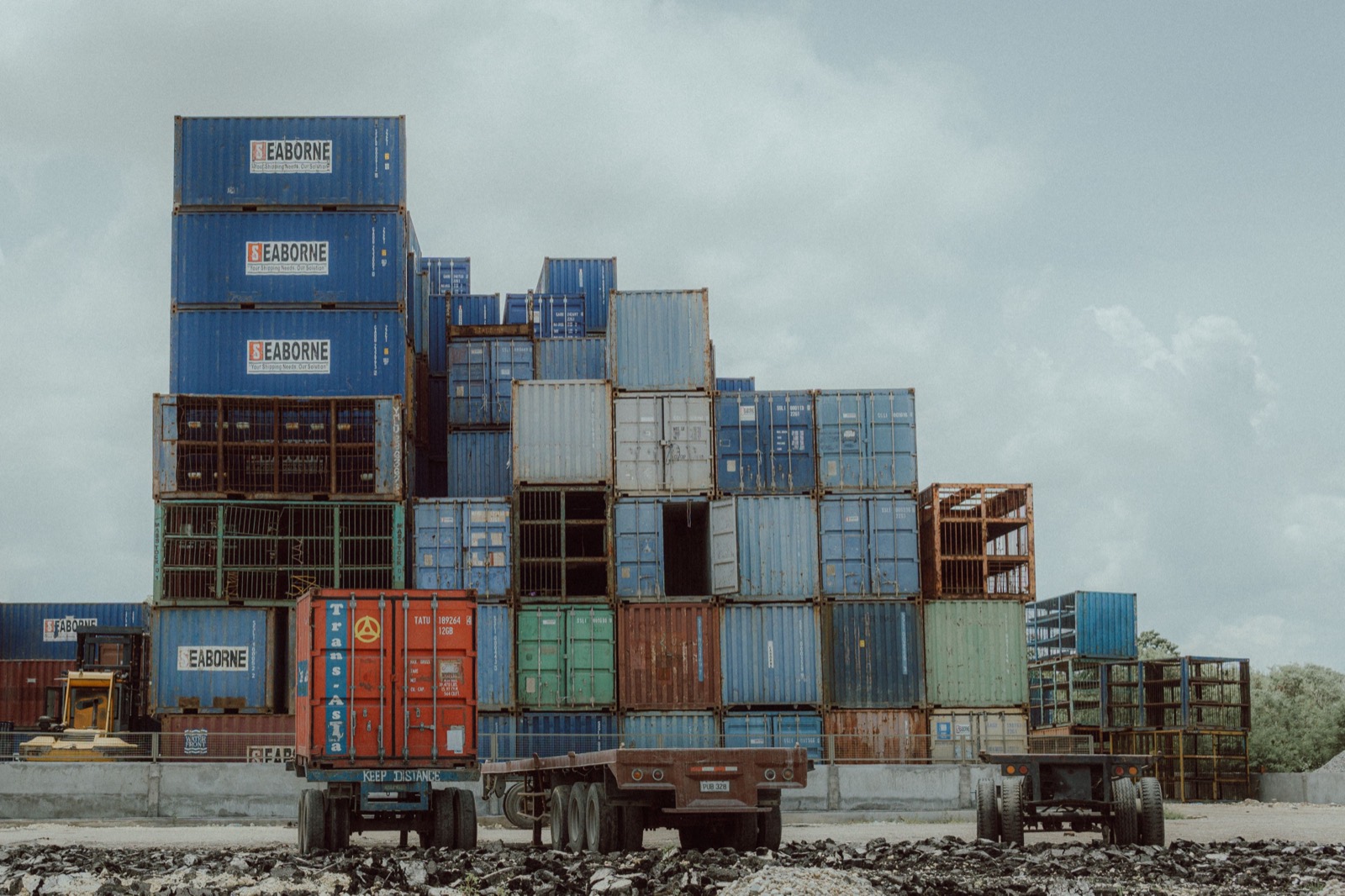
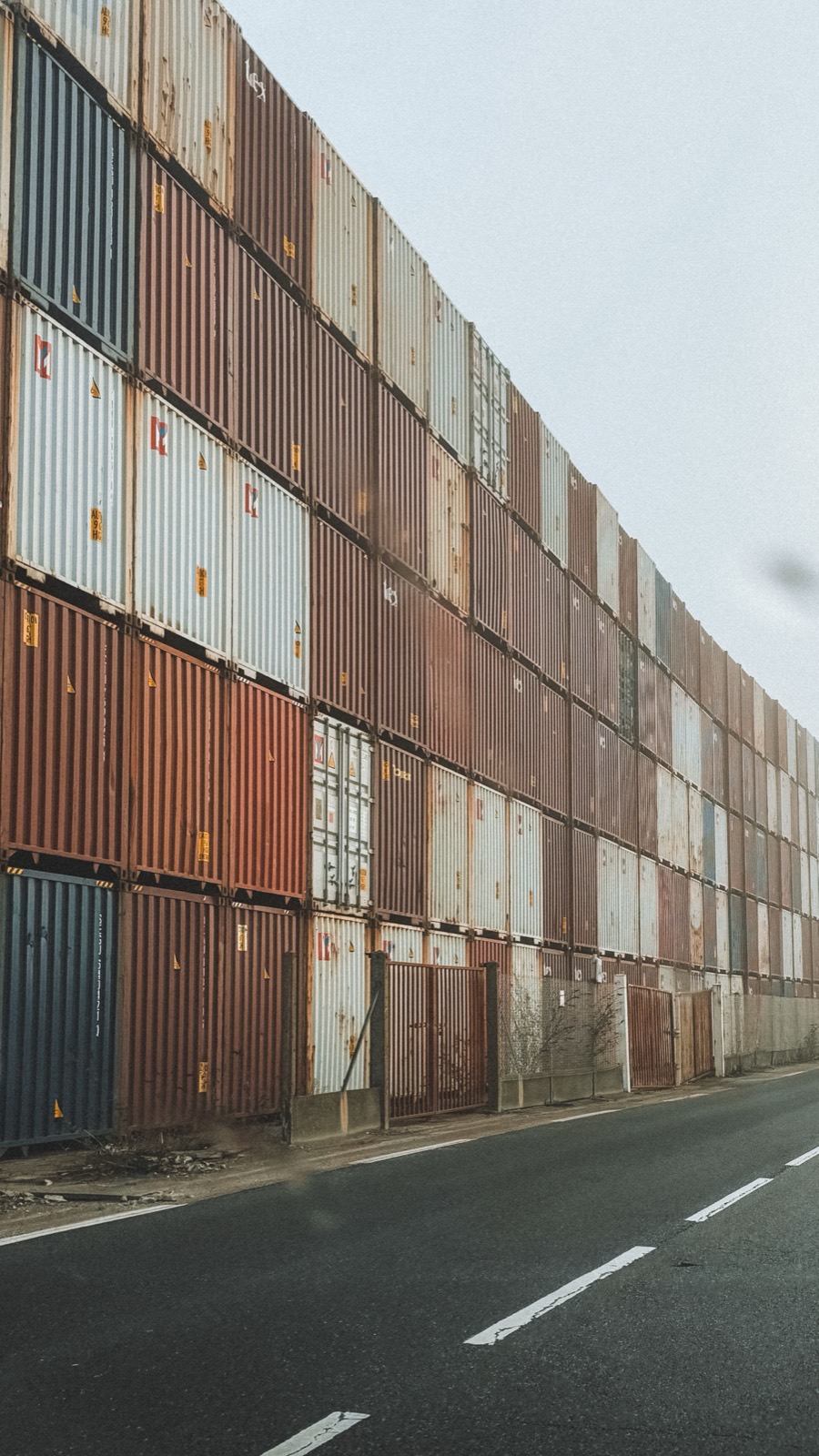
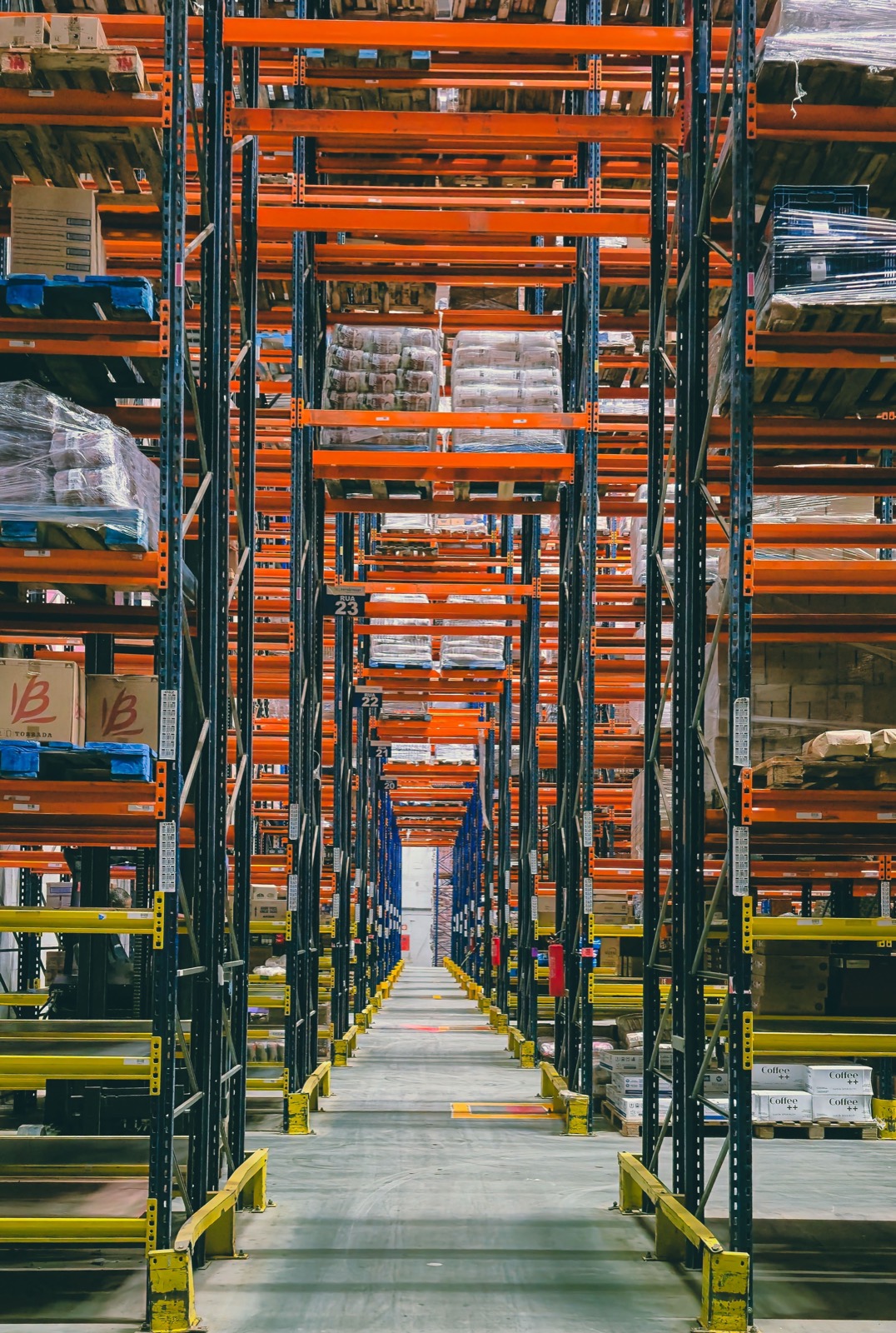
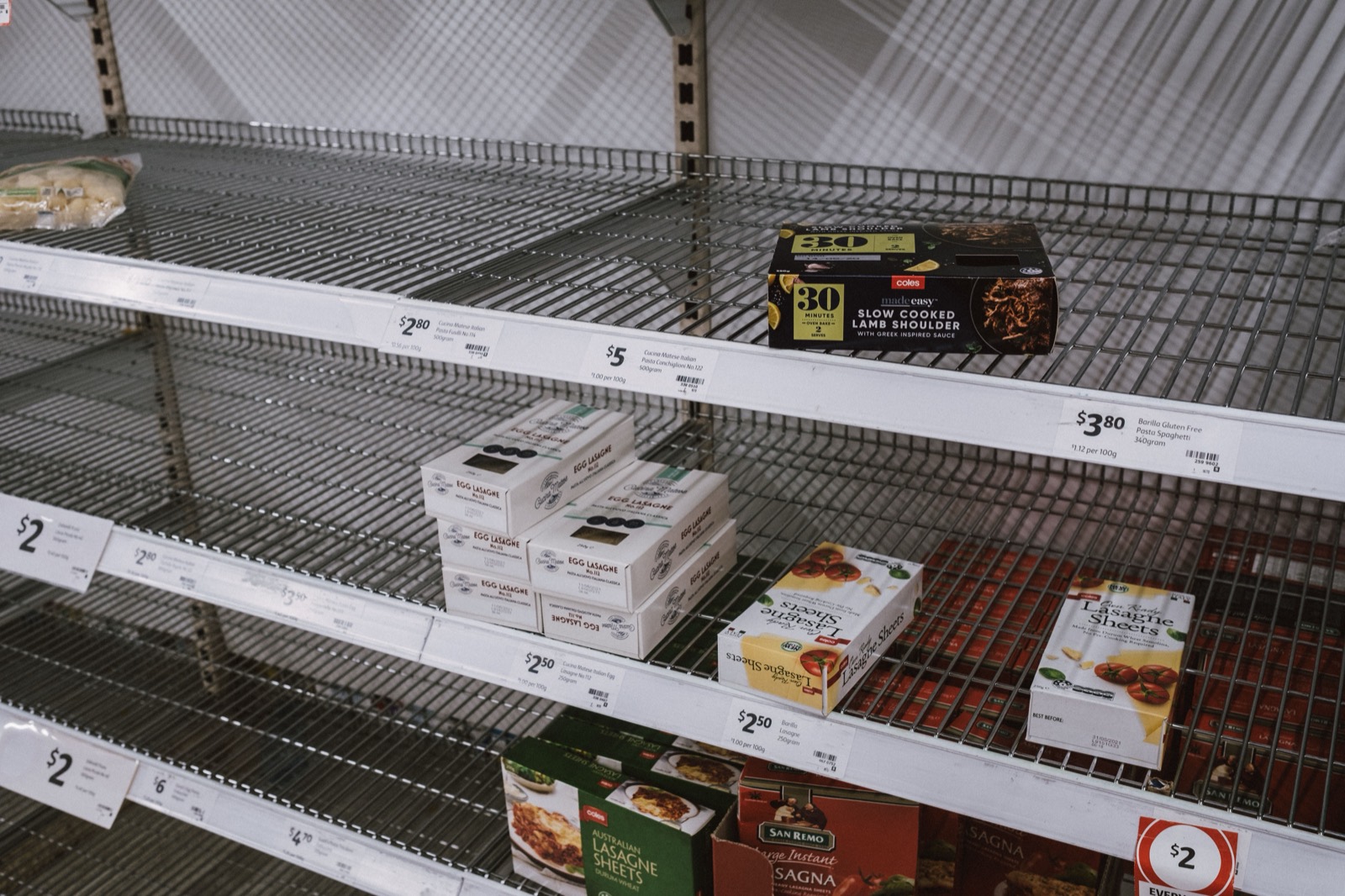
Most food travels far before reaching store shelves. A flood, fire, port closure, or fuel-price spike can leave those shelves empty again.
Disruptions in the food supply chain are events that affect the flow of products and can be caused by extreme weather, natural disasters, conflicts, pandemics, and political situations, among others. These events can significantly impact food products' availability, quality, and cost, creating risks to the well-being of local populations and livelihoods.NIH, Disruptions in the food supply chain: a literature review
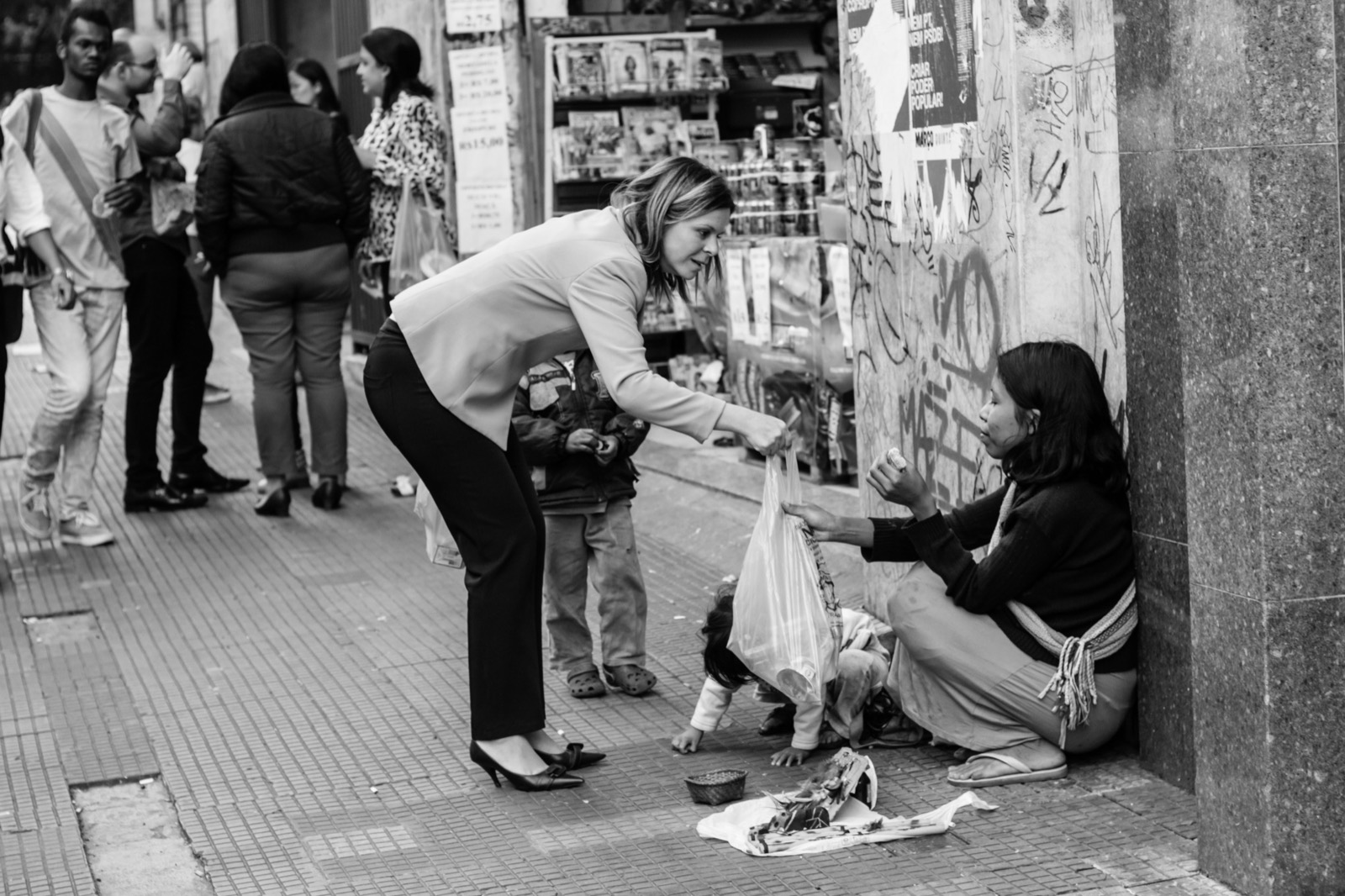
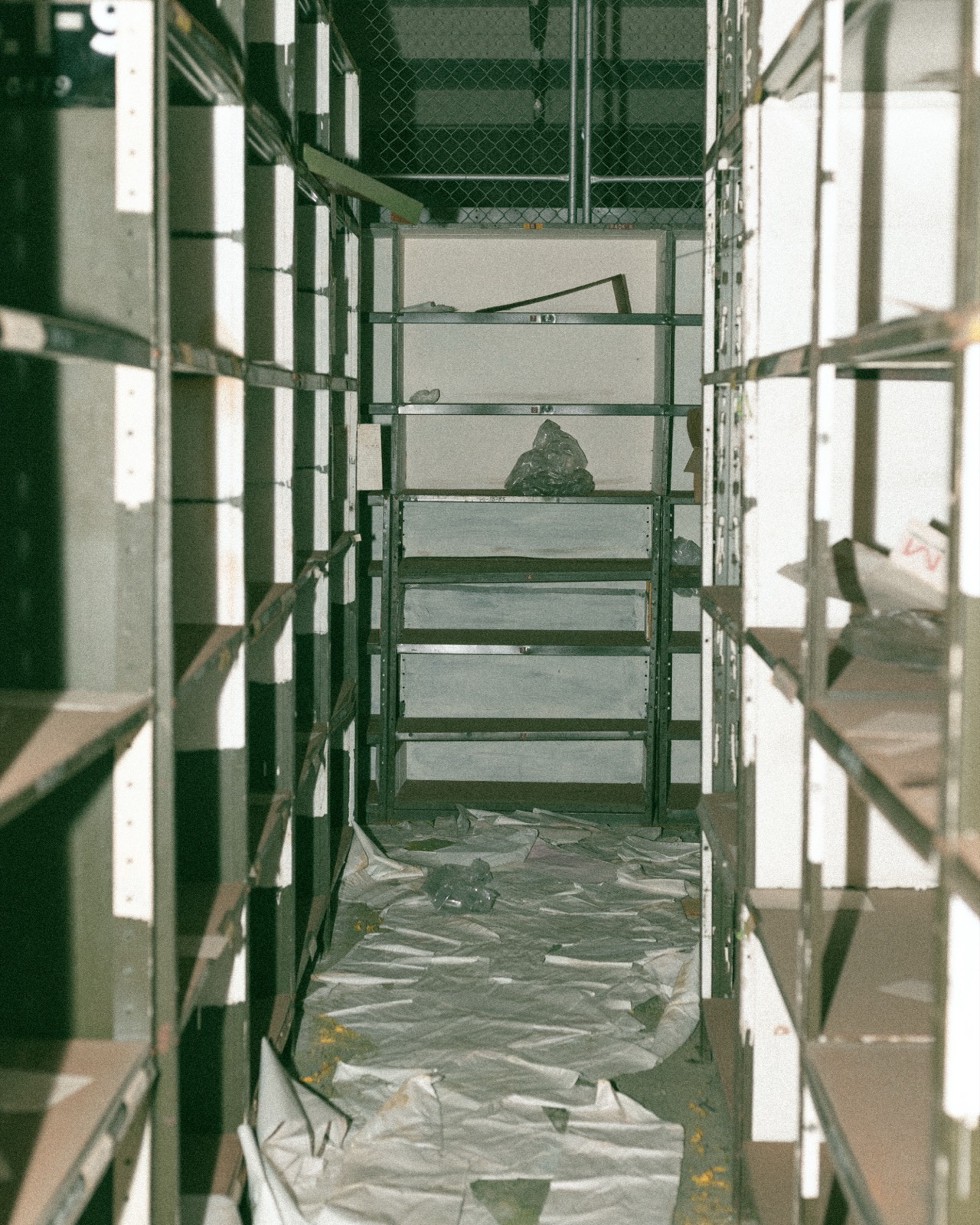
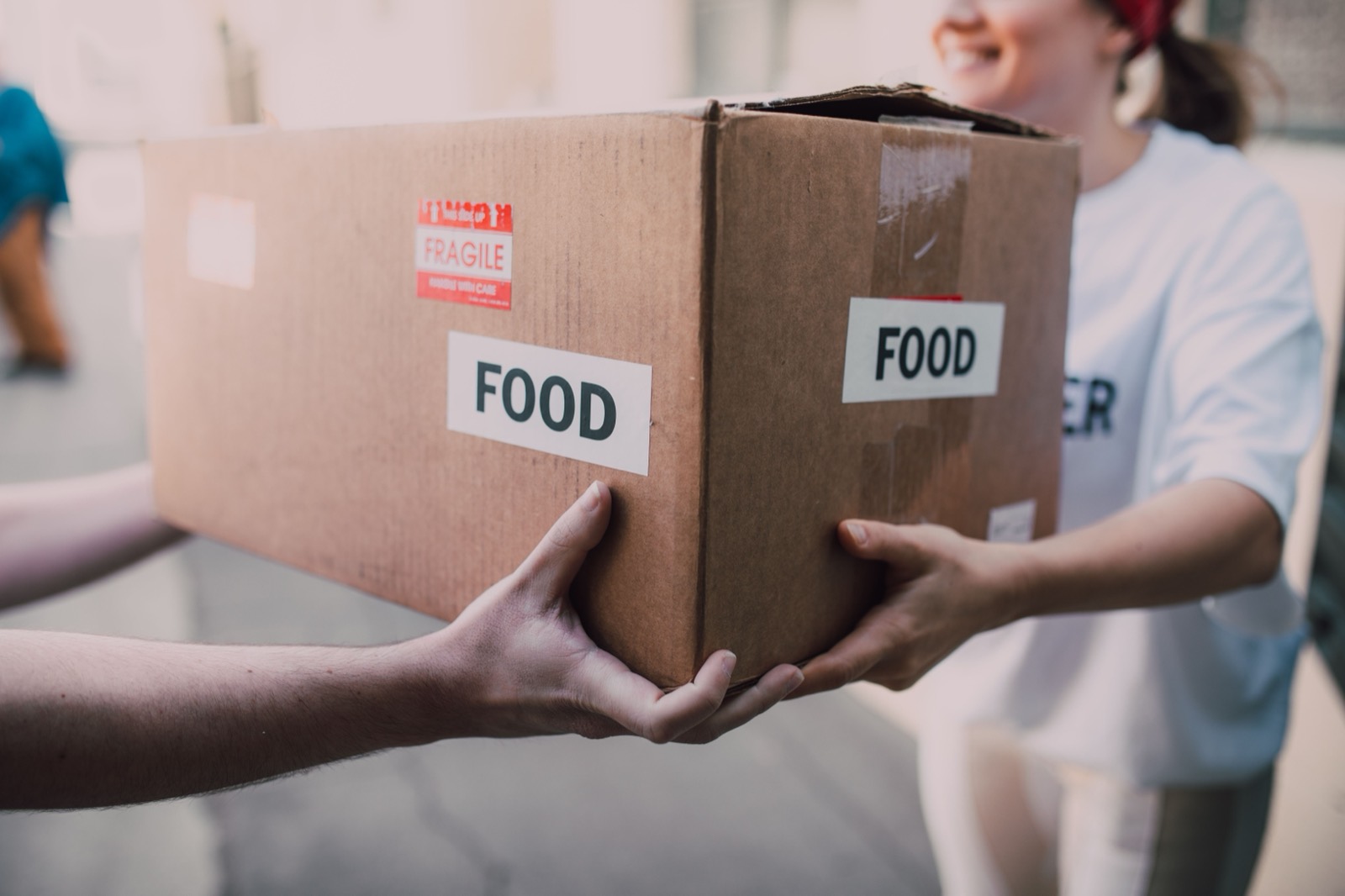
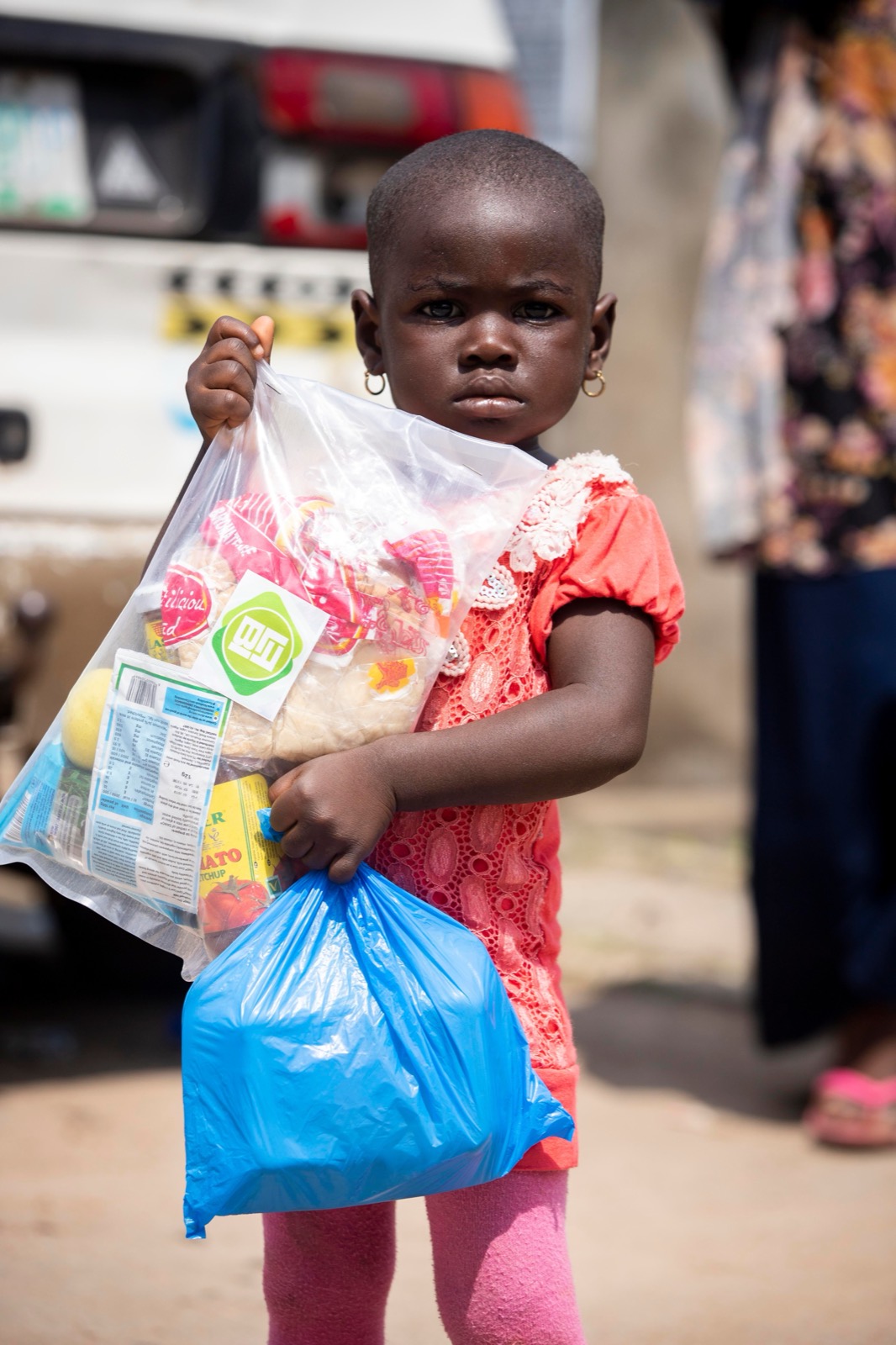
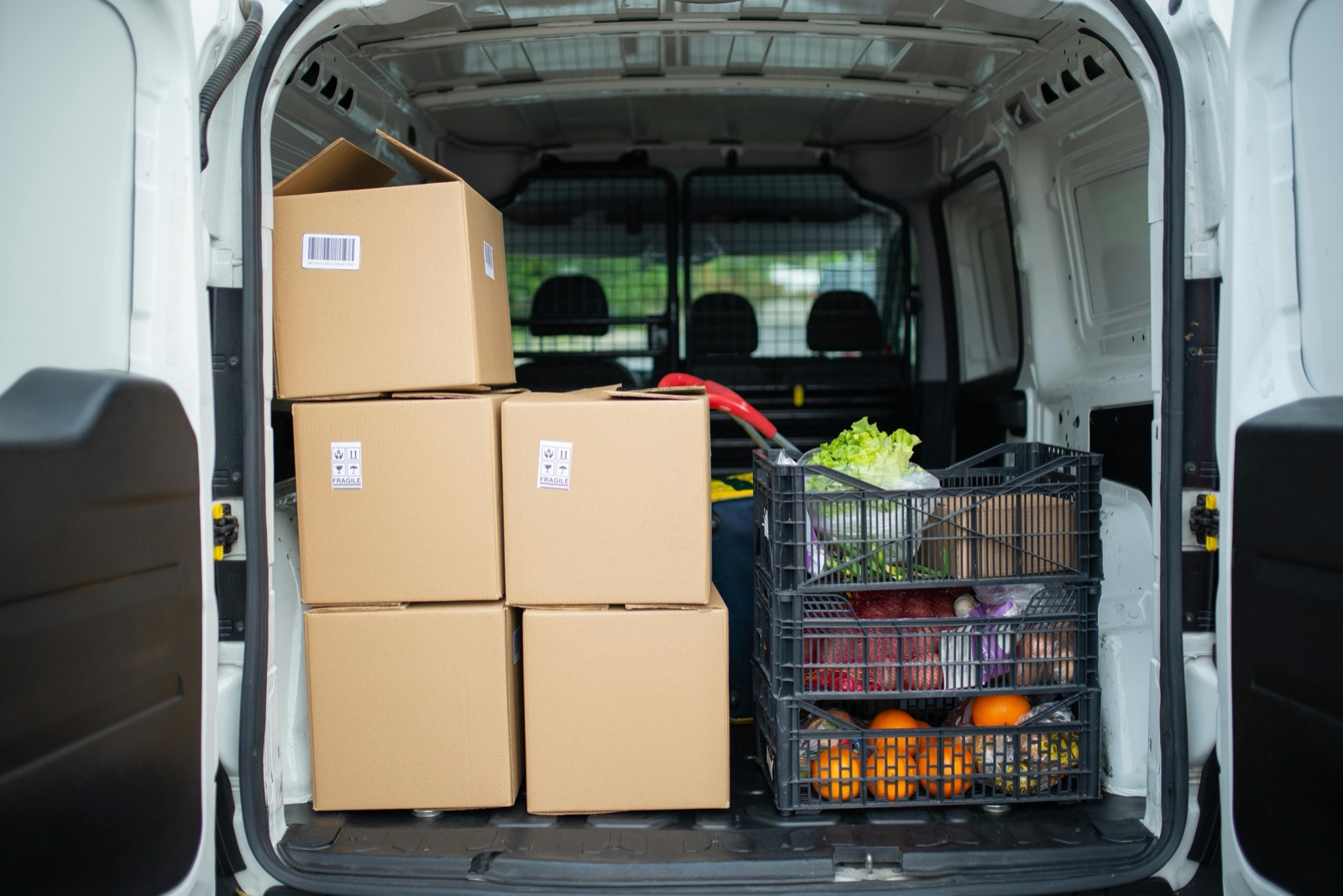
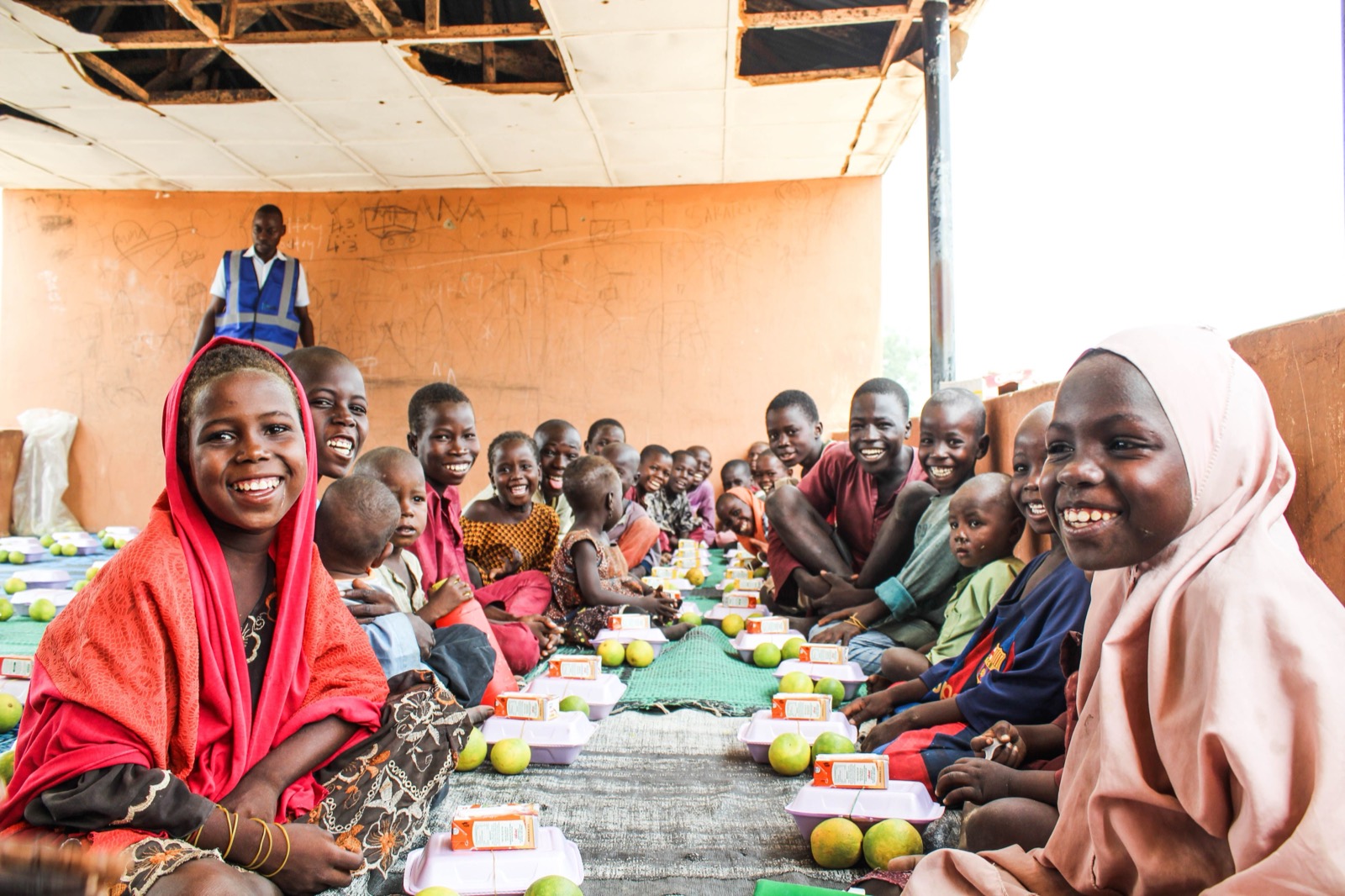
Aid arrives, food boxes are distributed, and families eat for the week. When the program ends, hunger returns.
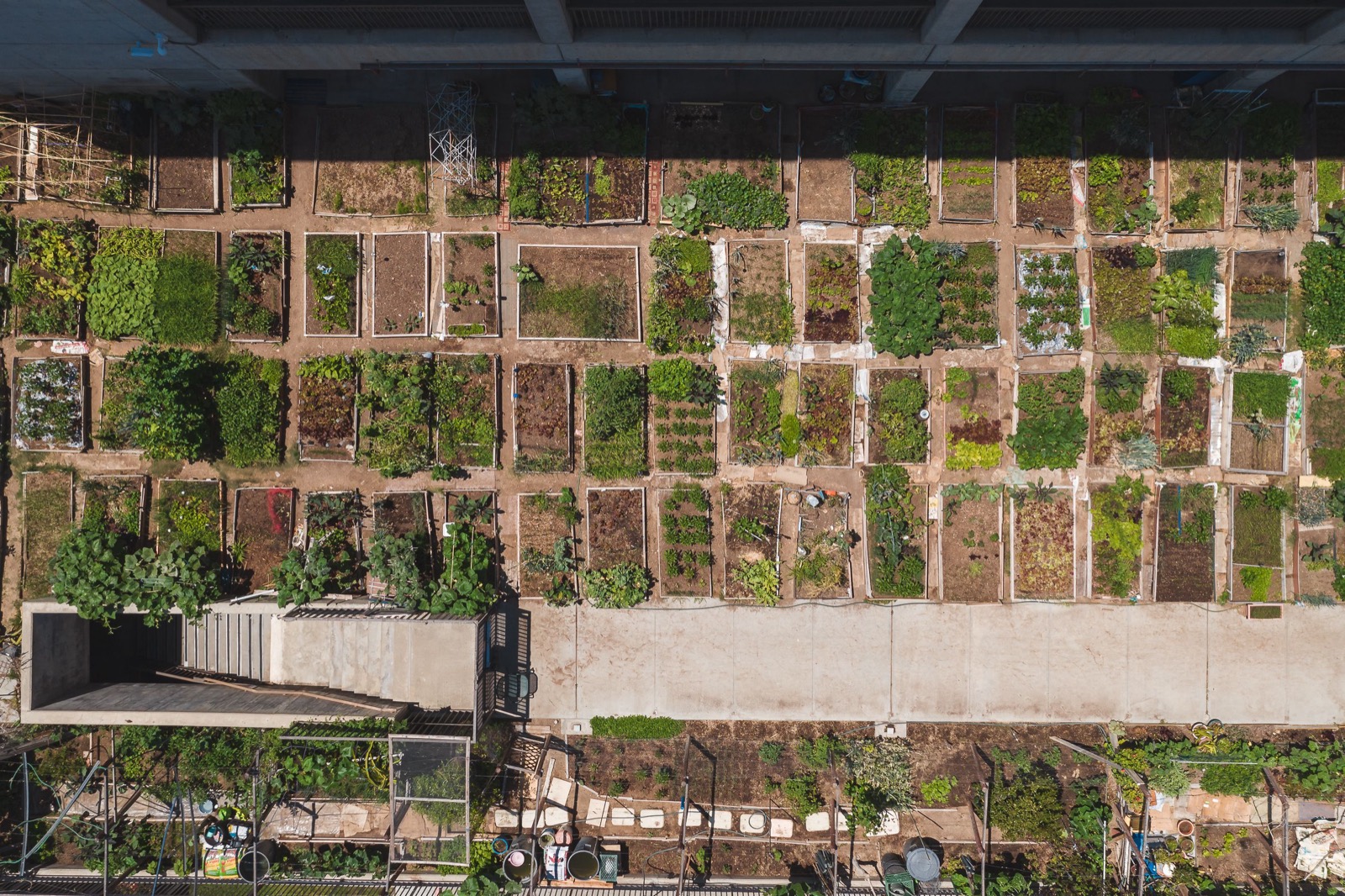
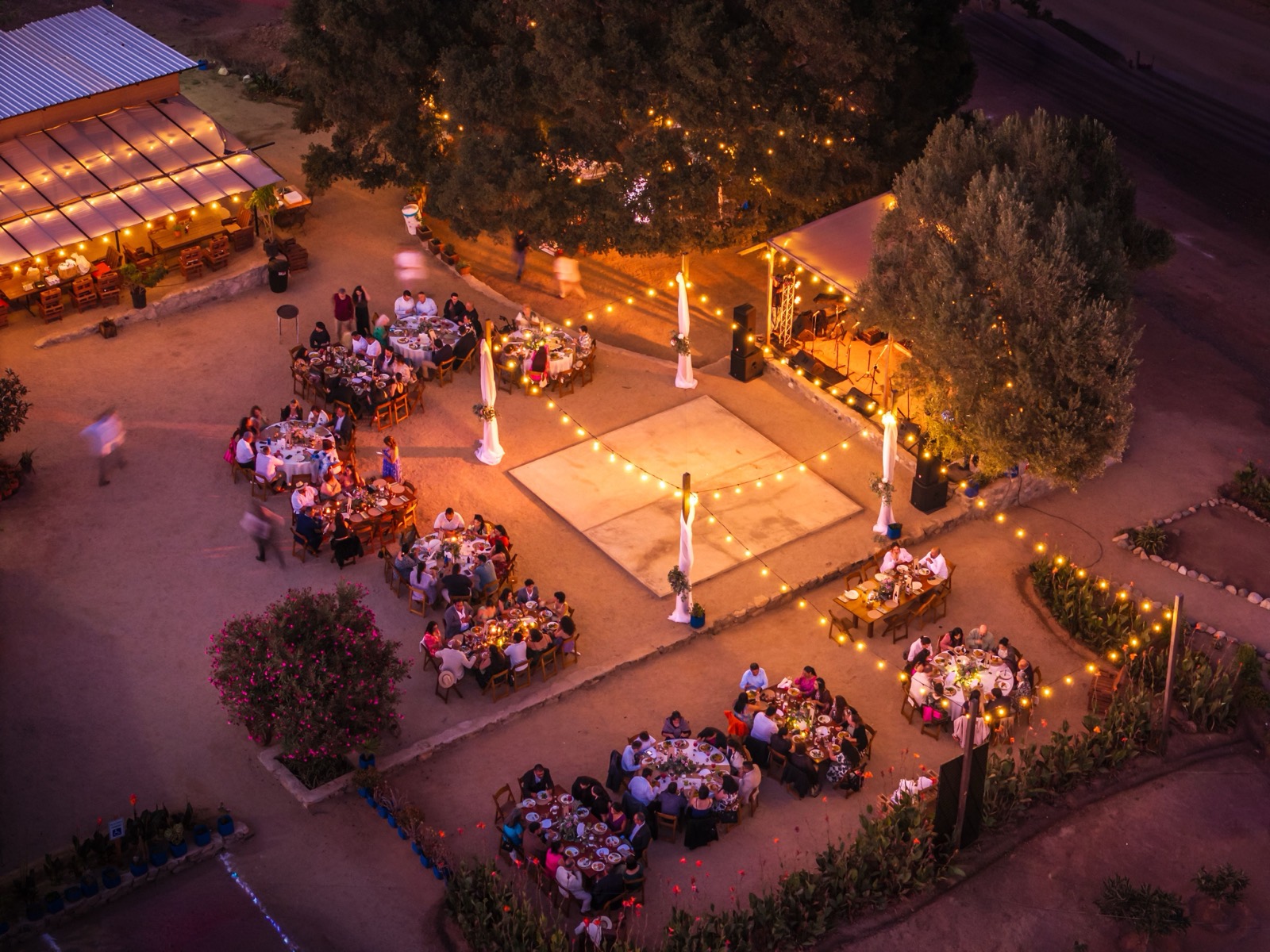
Gardens that nourish local residents first. Farms, markets, a neighborhood grocery hub, and water and road infrastructure work together to create a sustainable community food system.
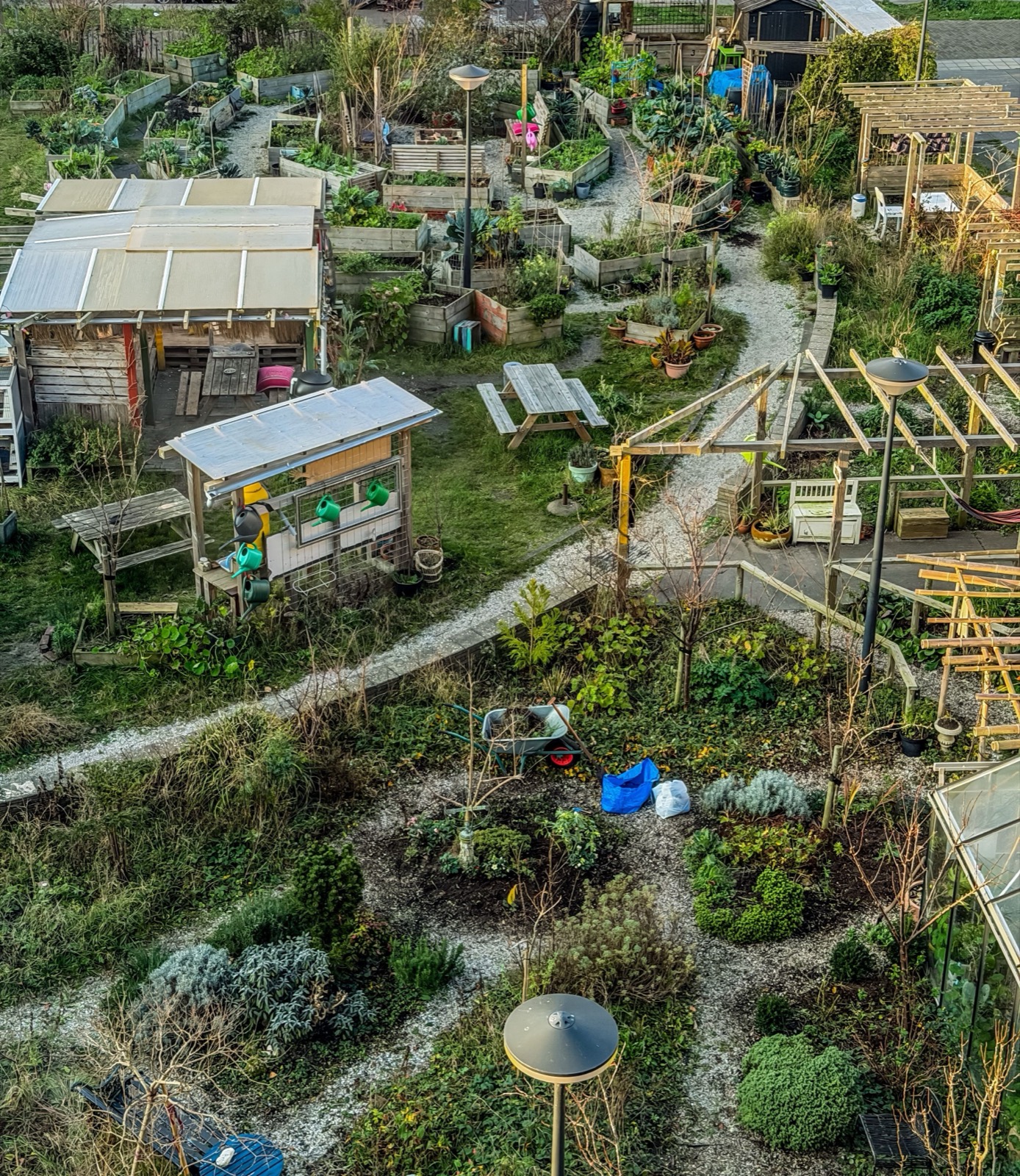
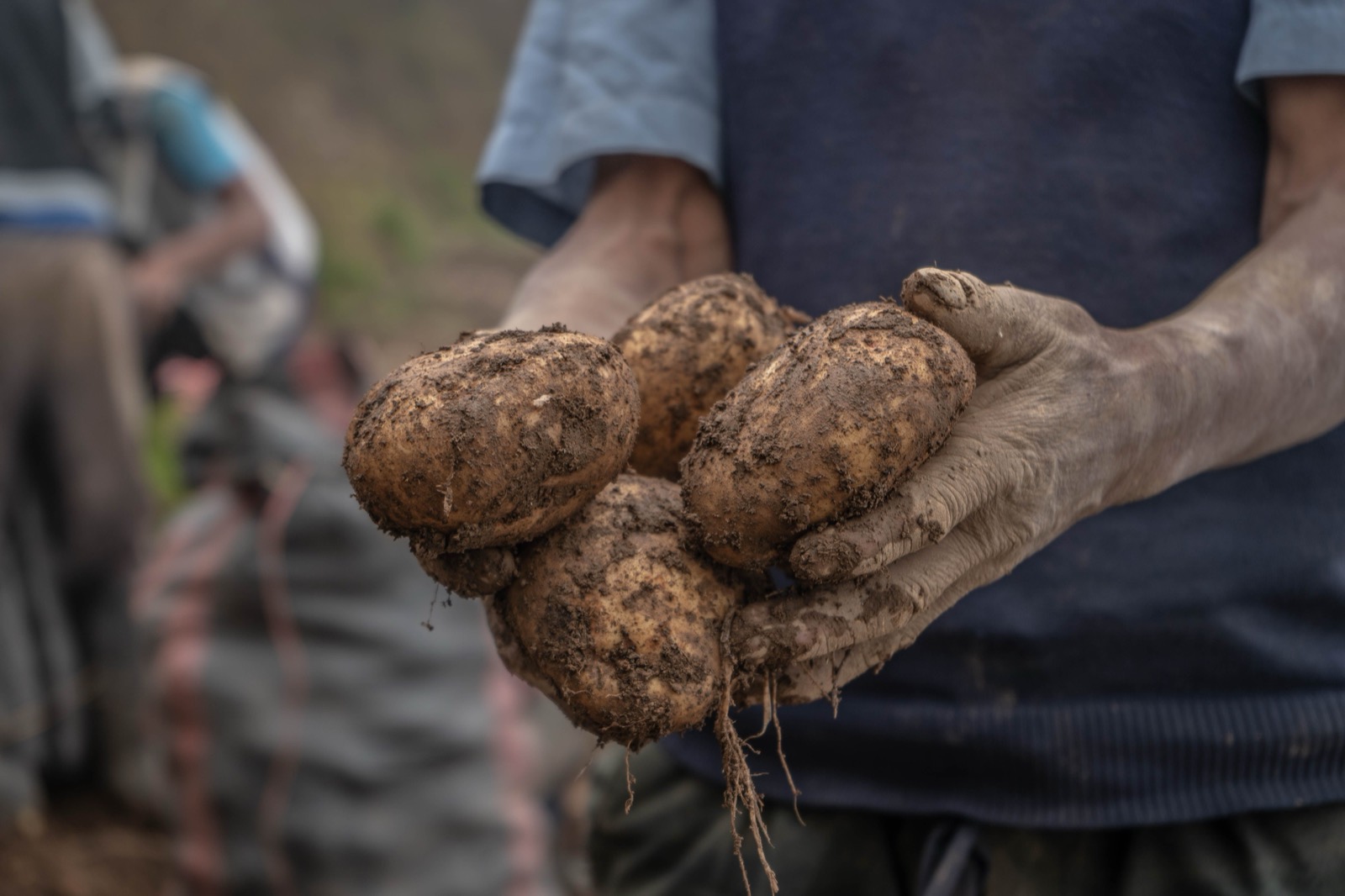
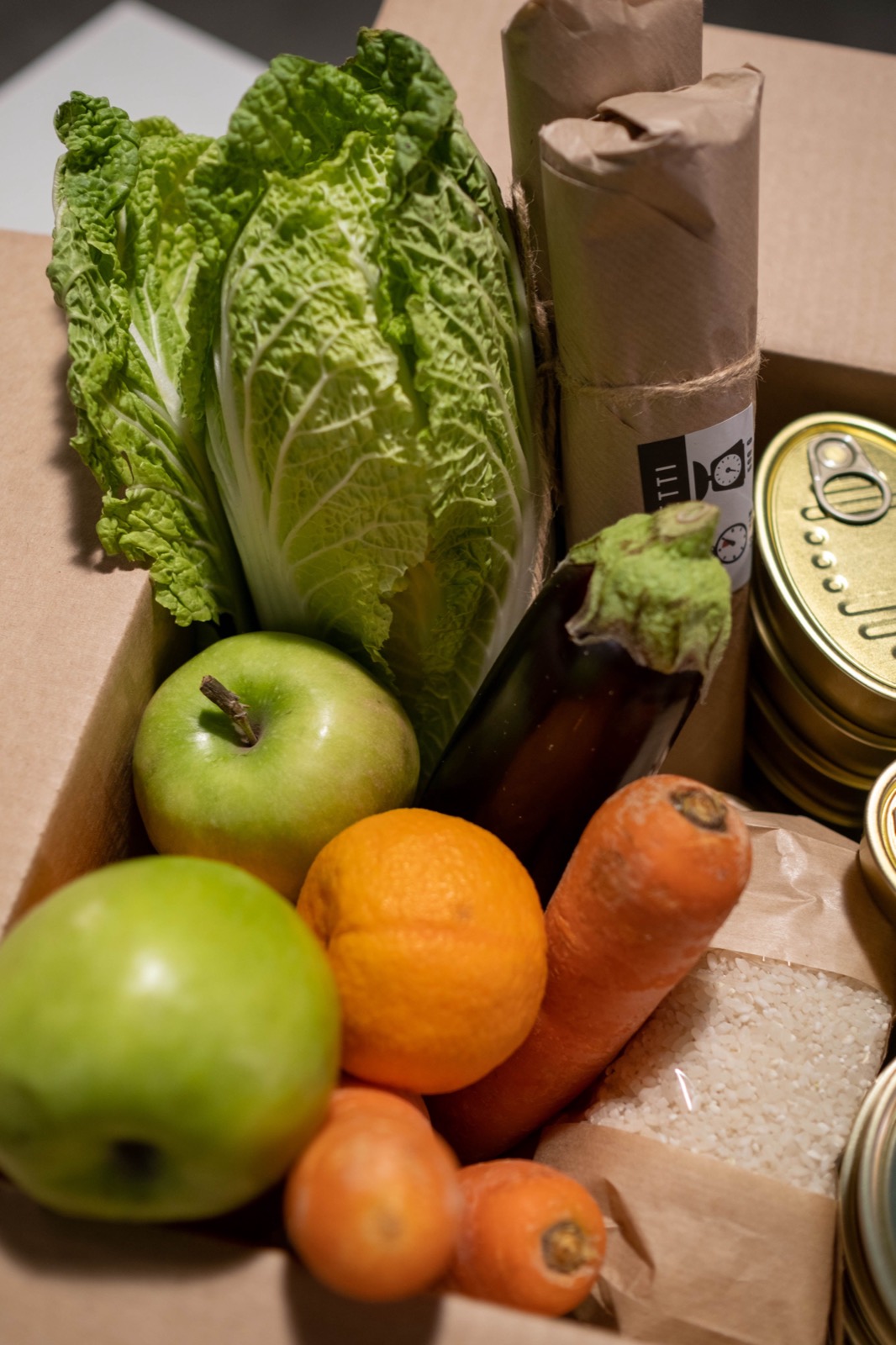
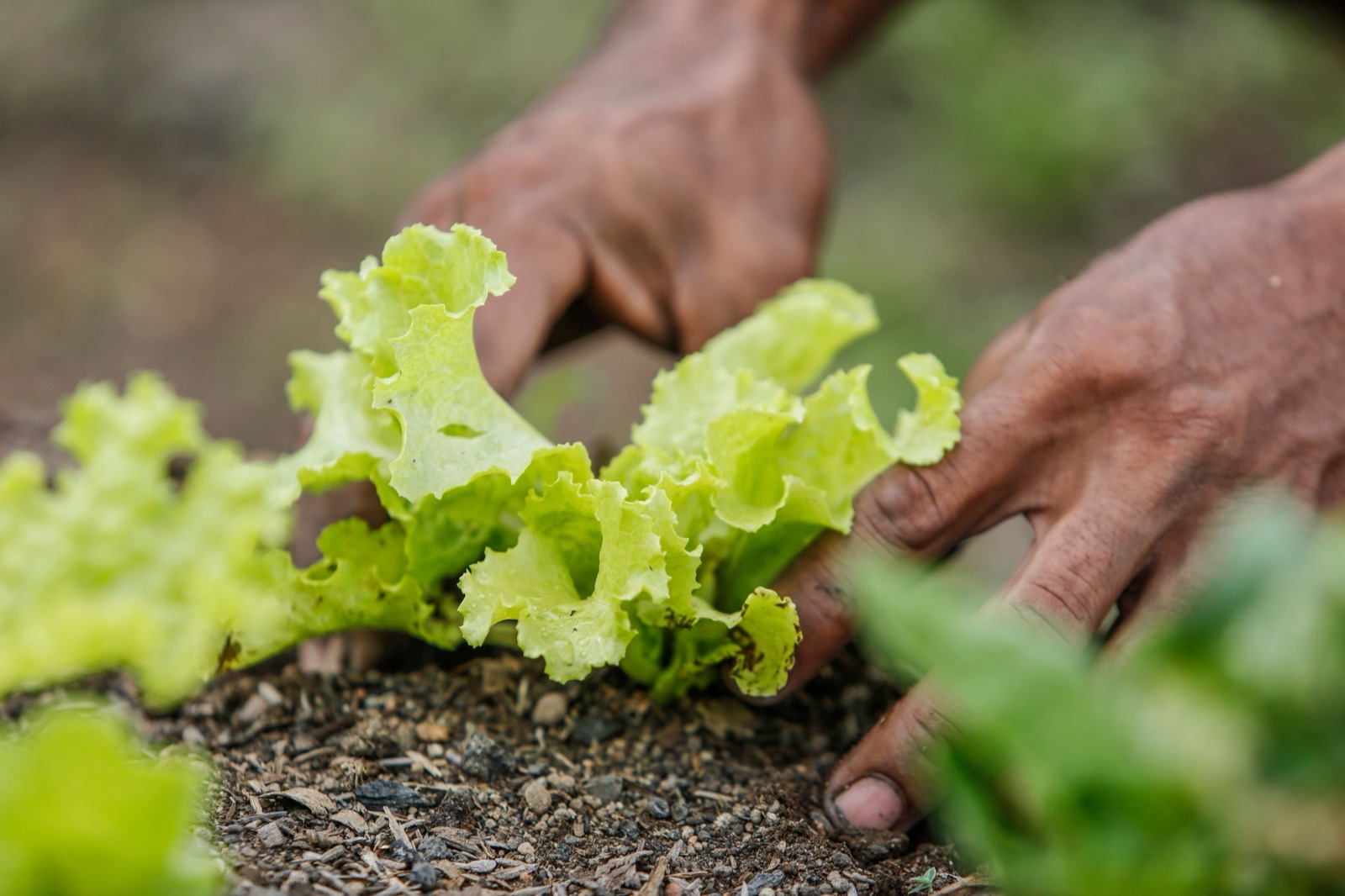
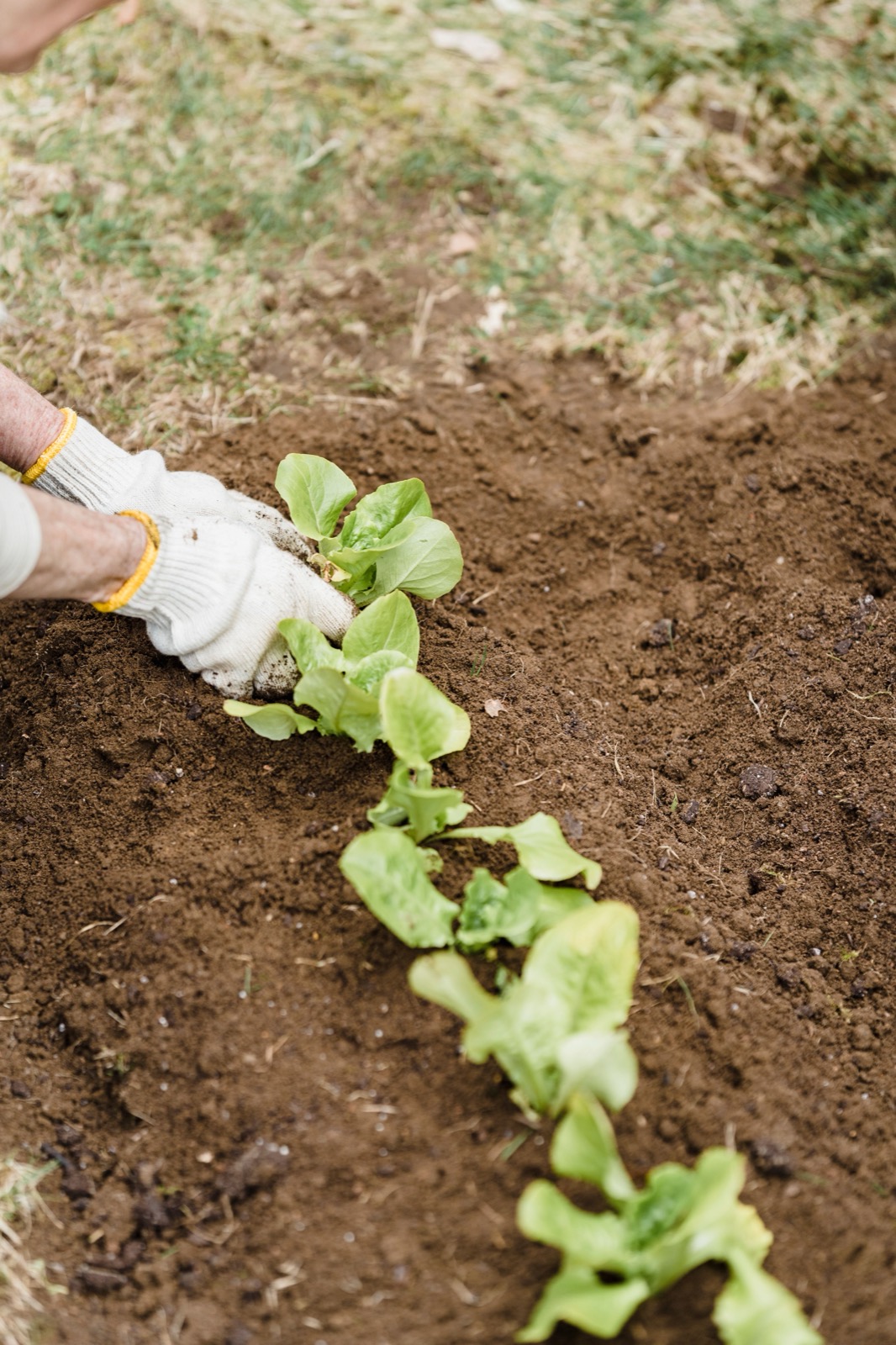
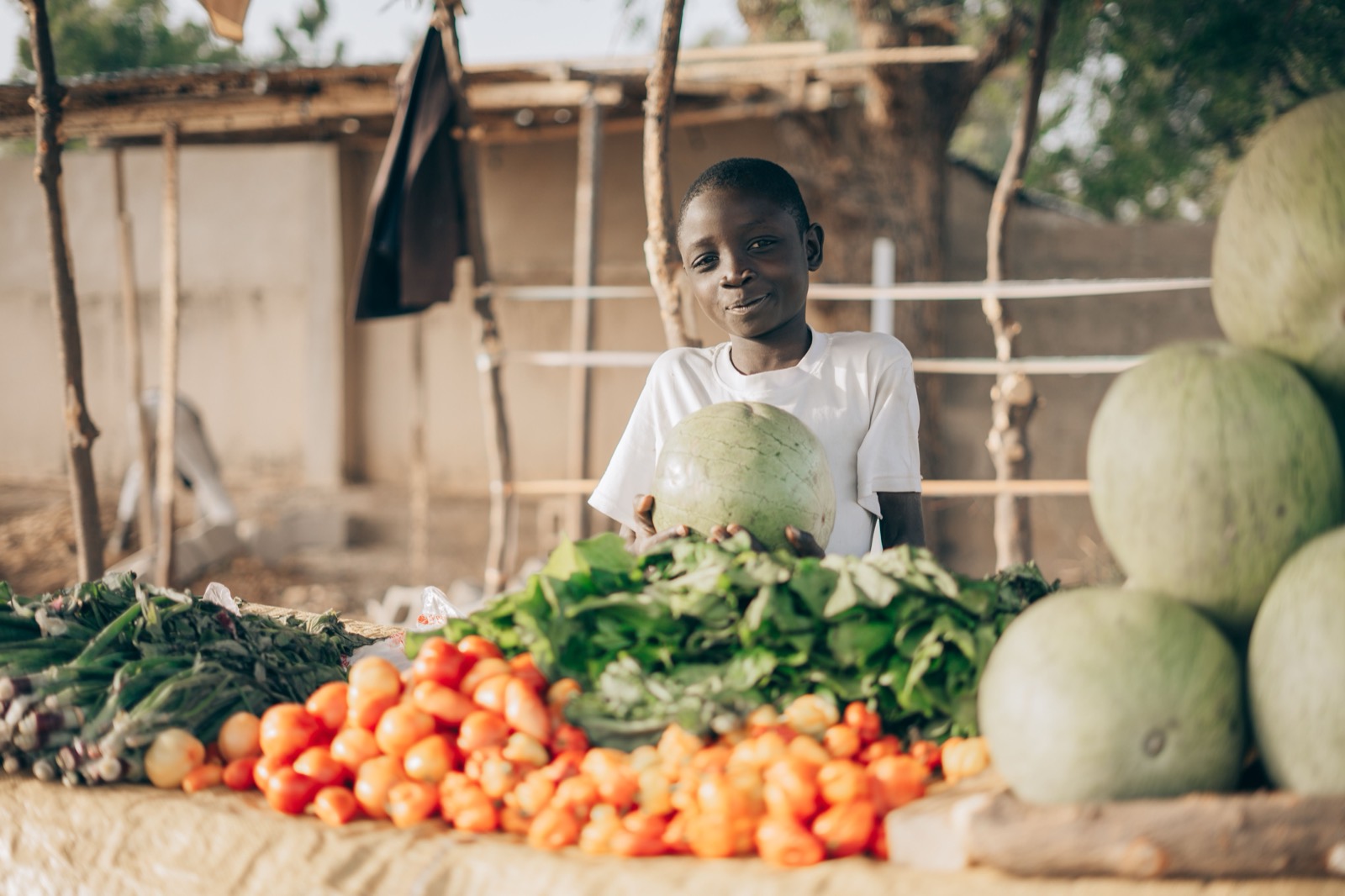
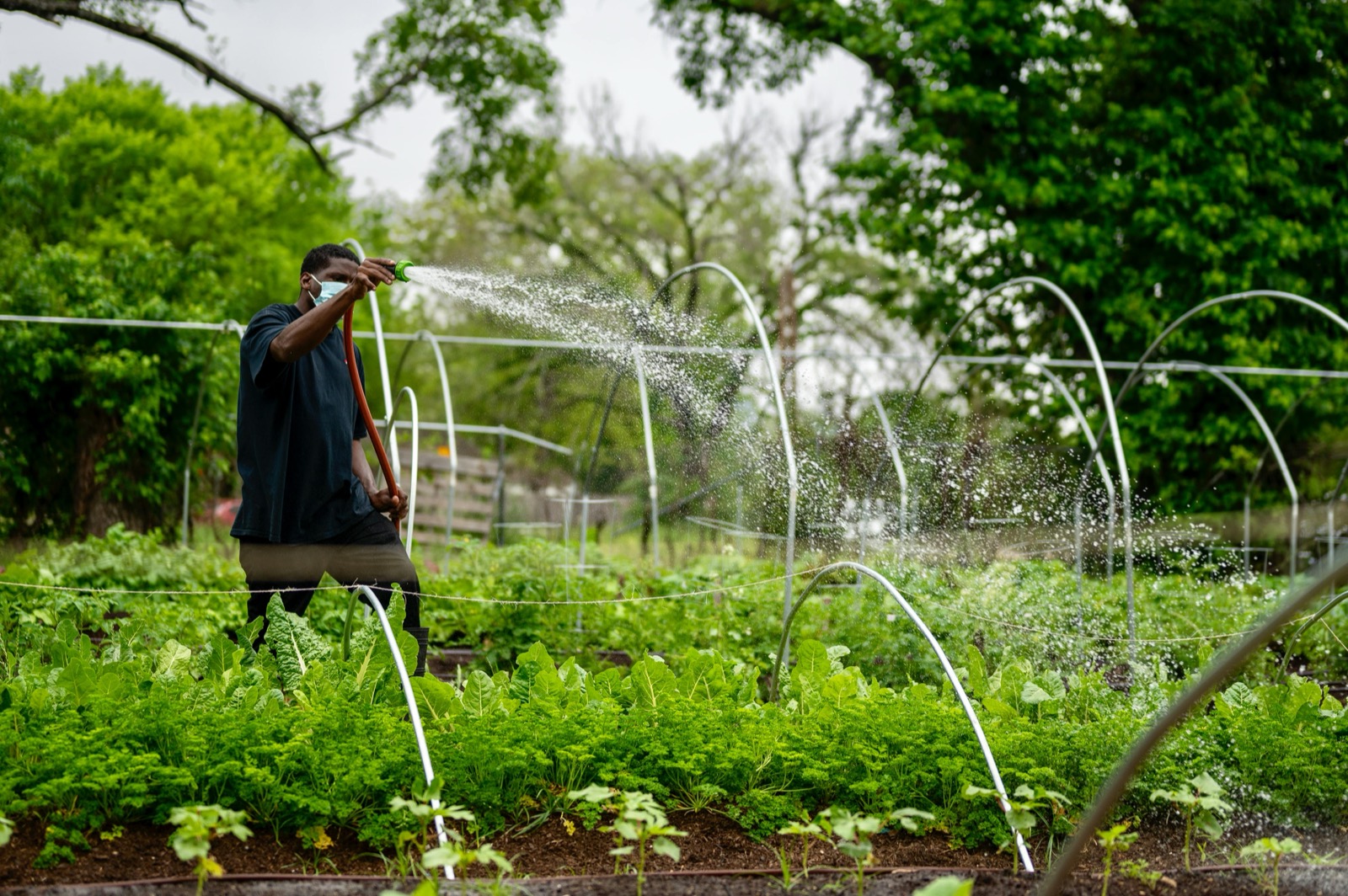
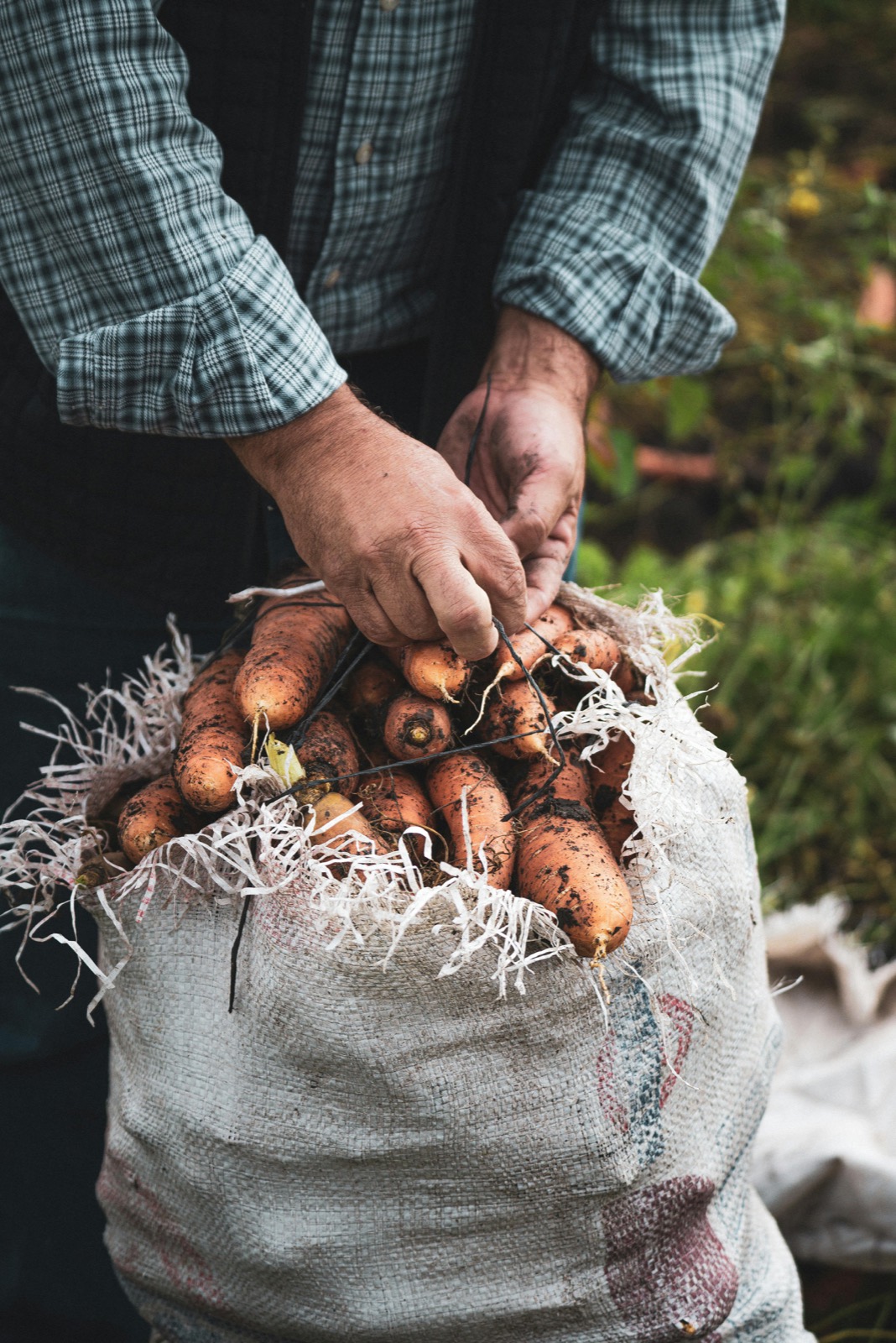
Community gardens provide immediate availability of produce for ongoing local food support. First thing planted, first thing feeding people.
Foundation research deck, 2026
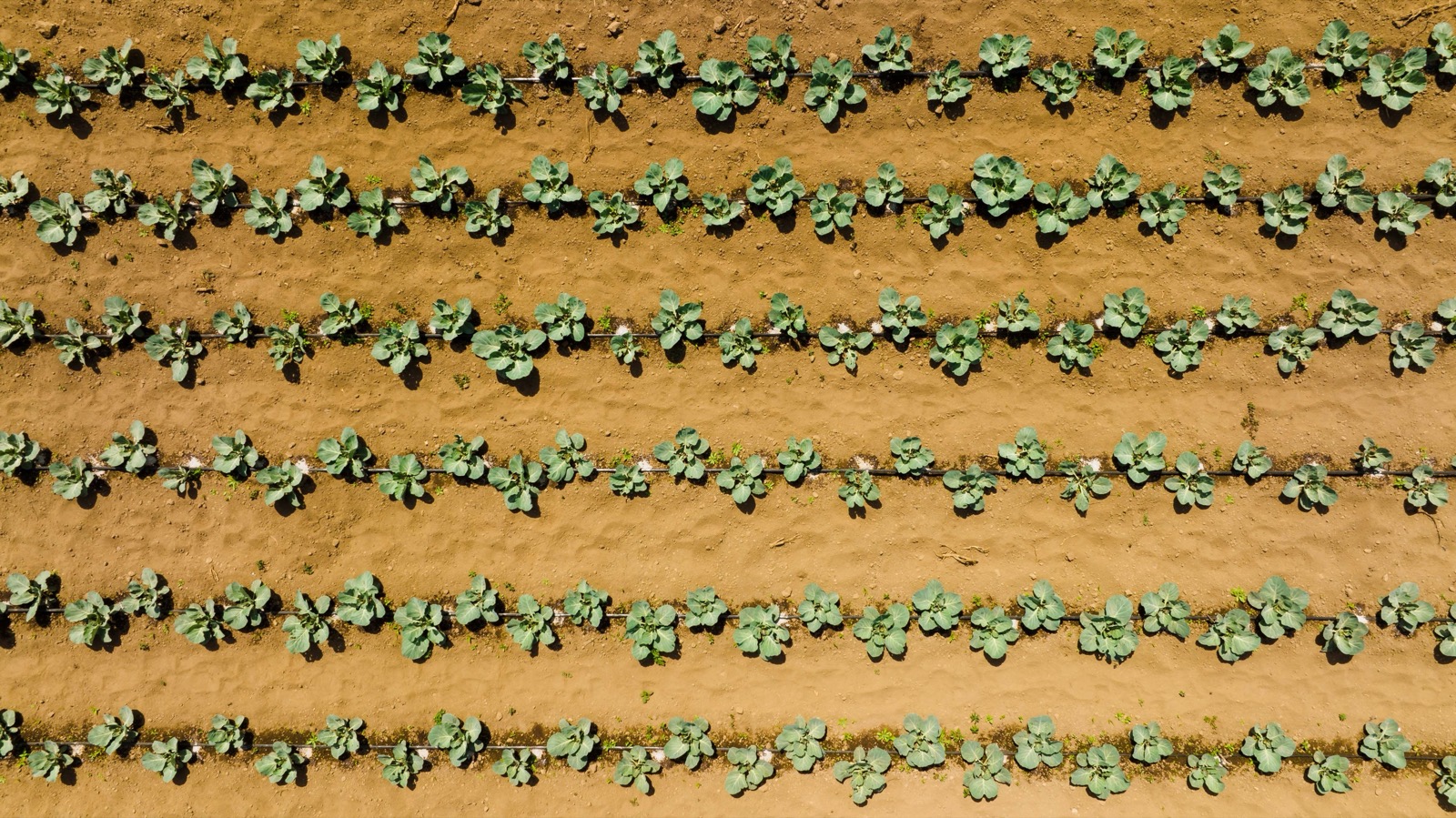
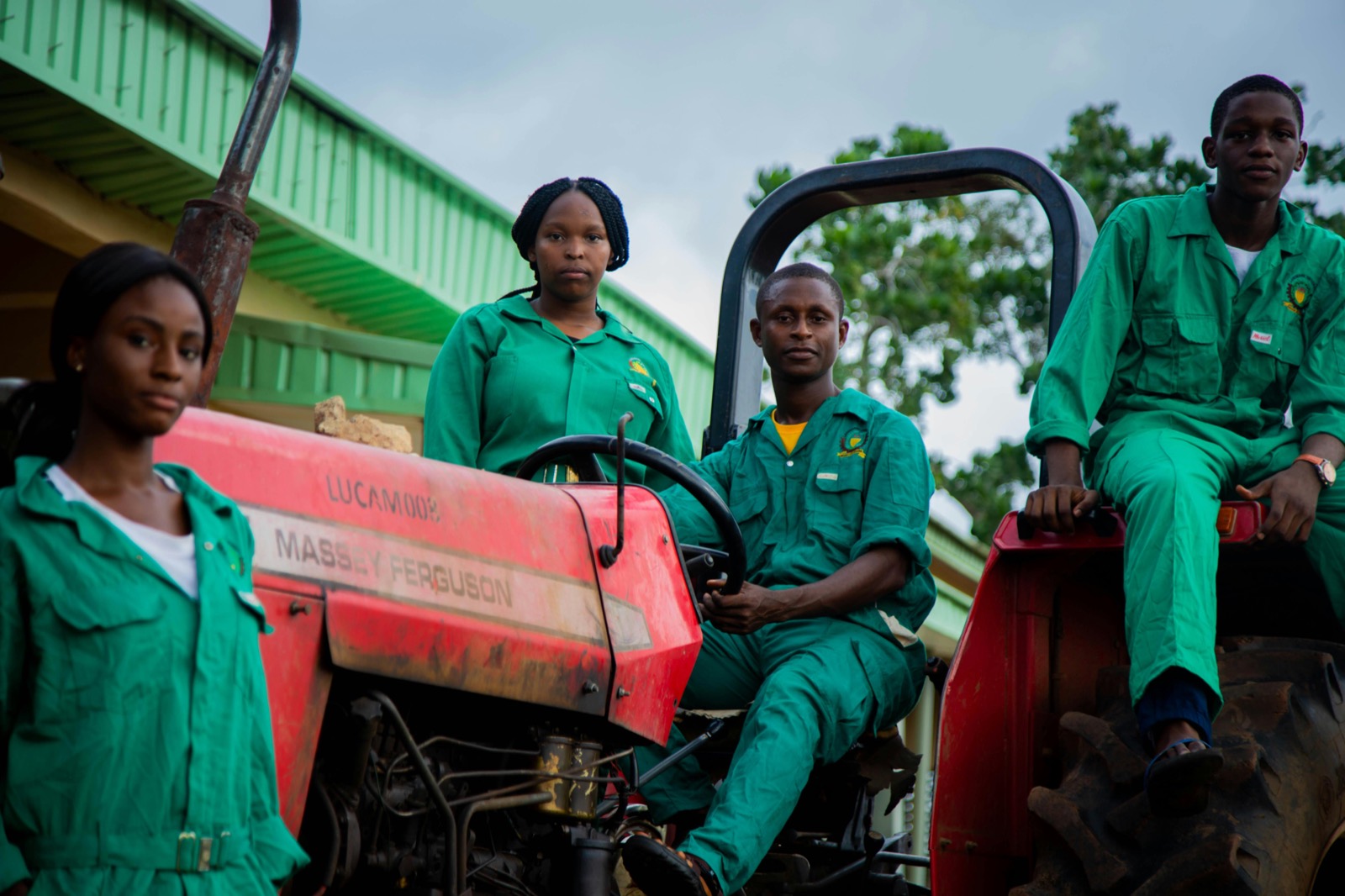
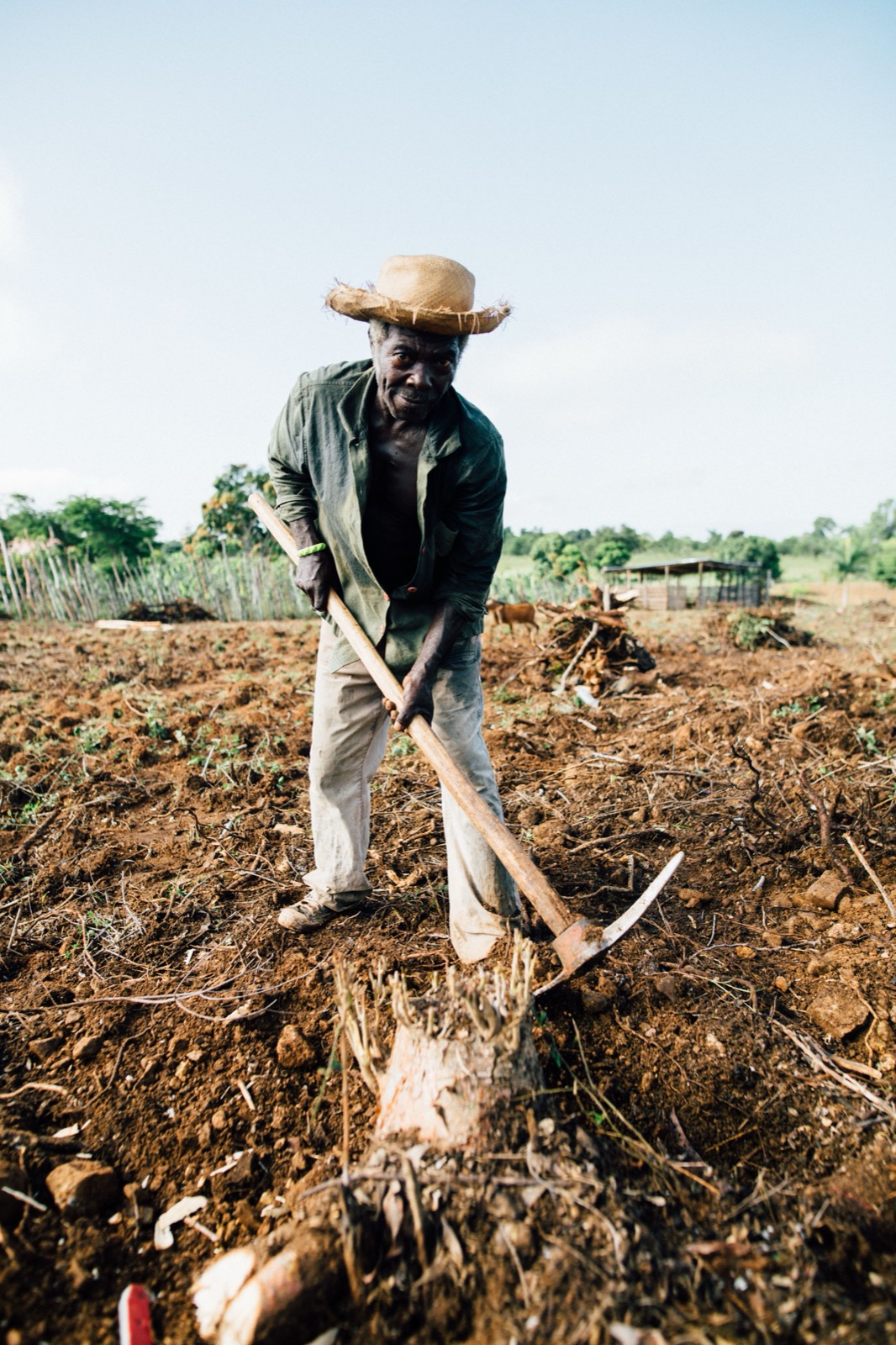
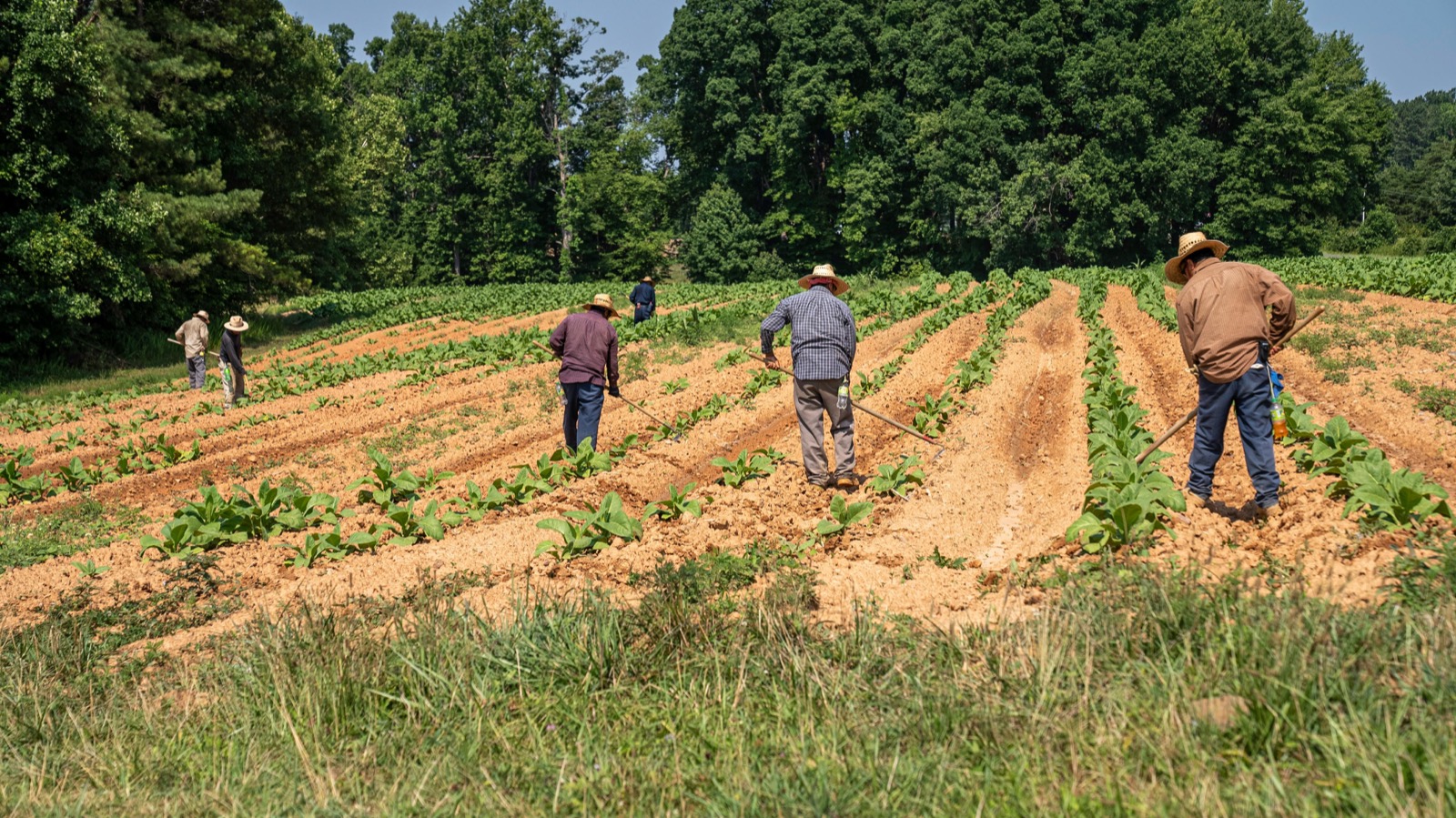
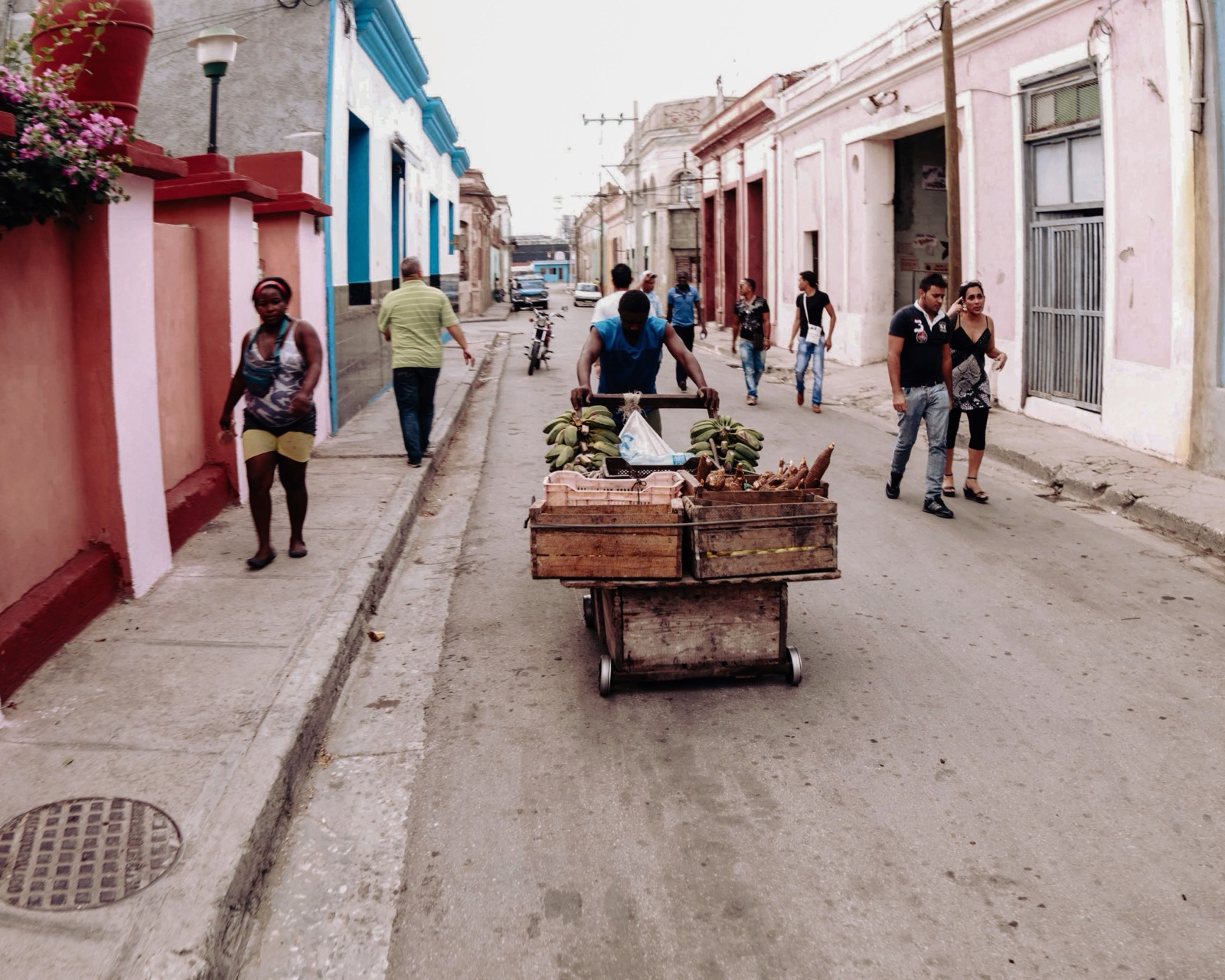
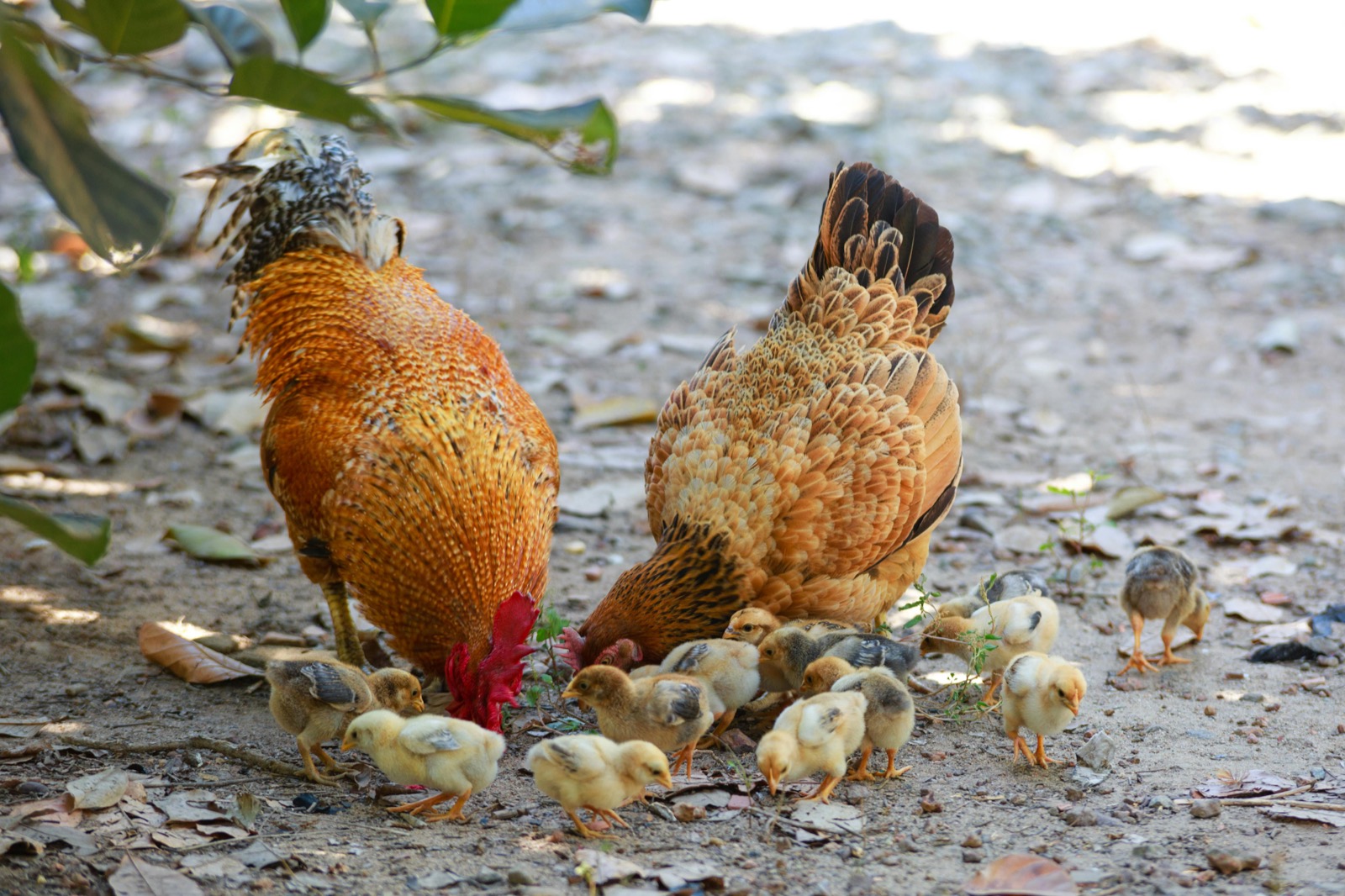
Large farms grow a diverse variety of crops and livestock, creating jobs and an organic farm to market food supply.
Foundation research deck, 2026
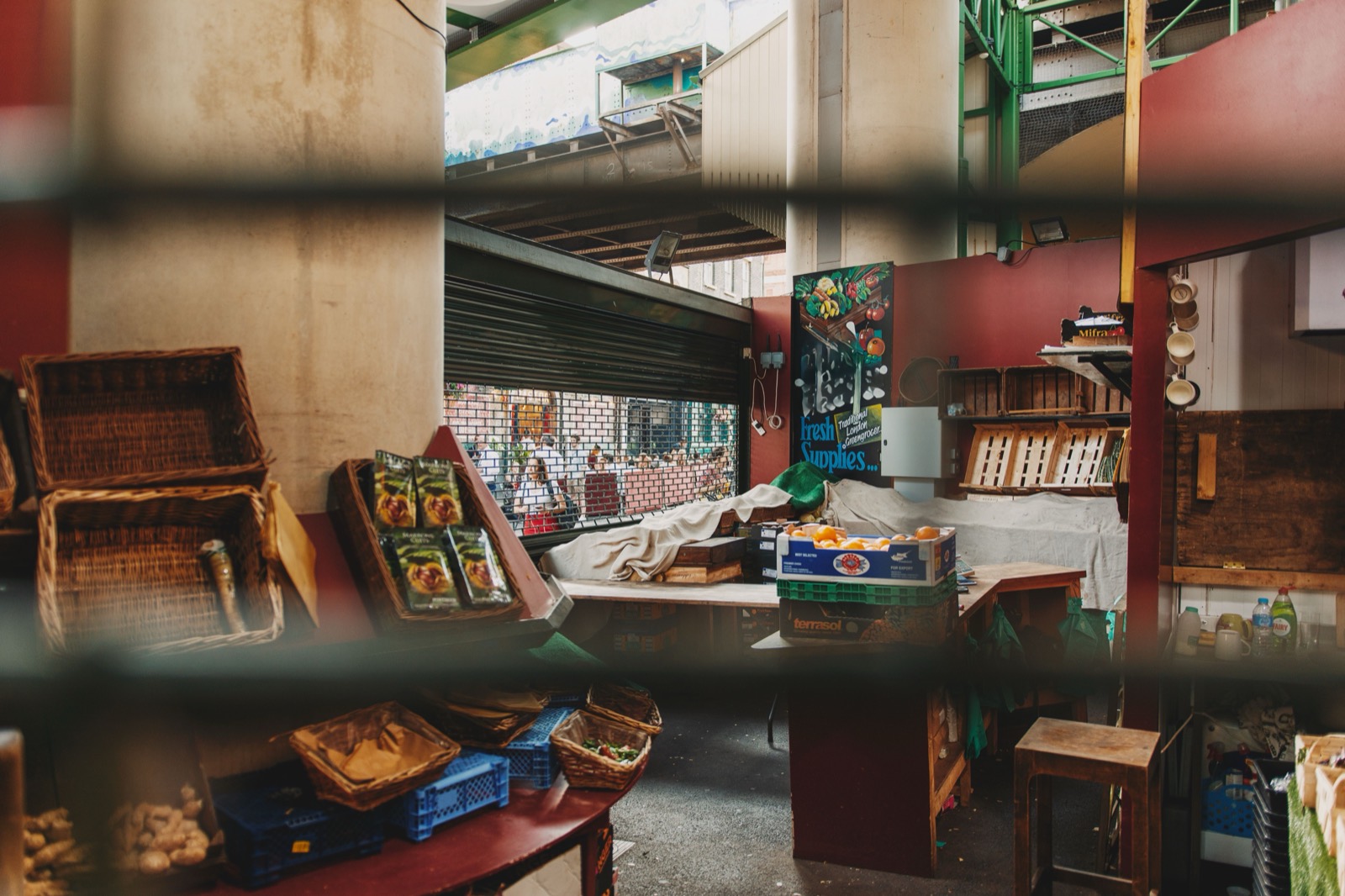
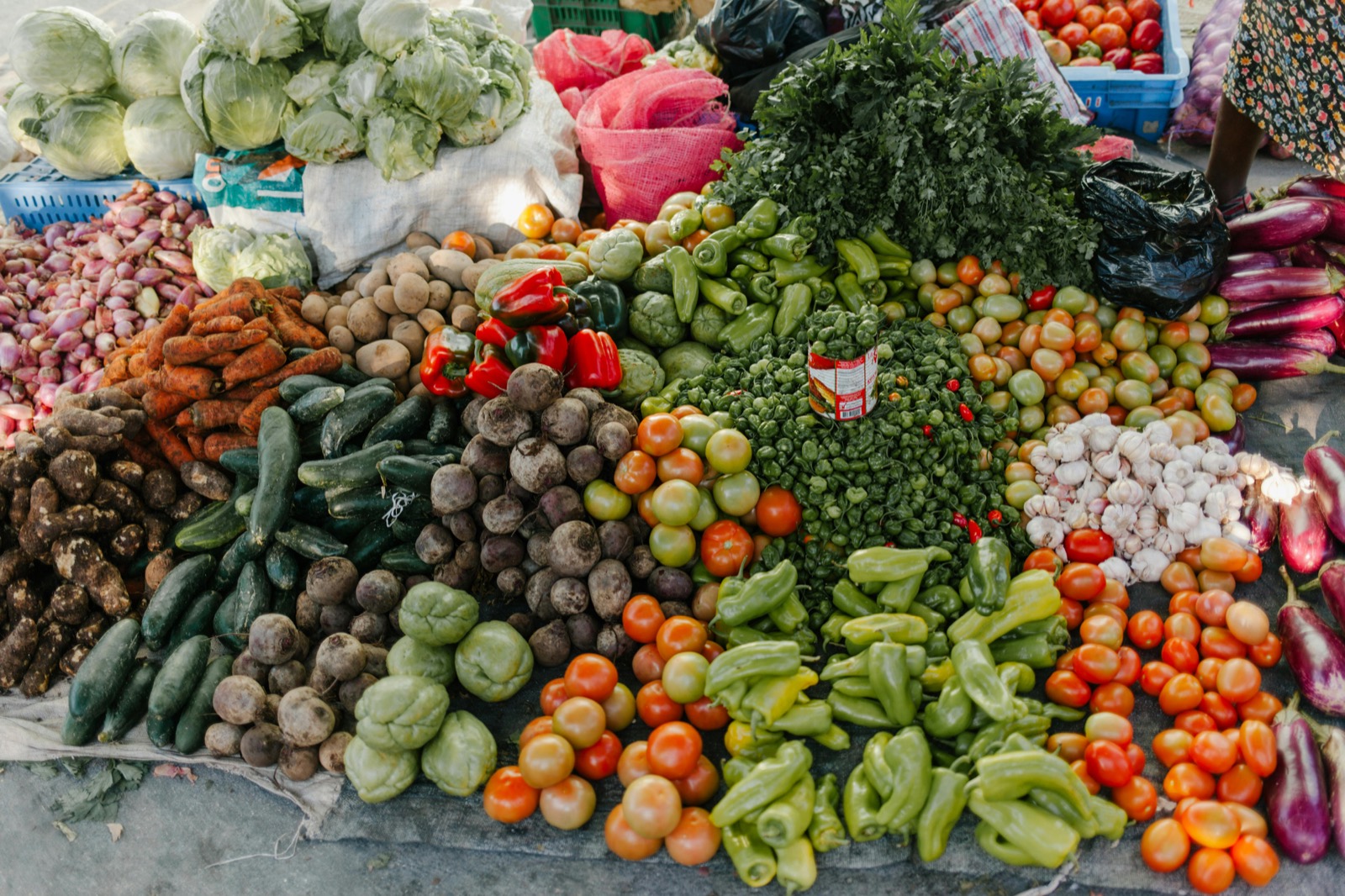
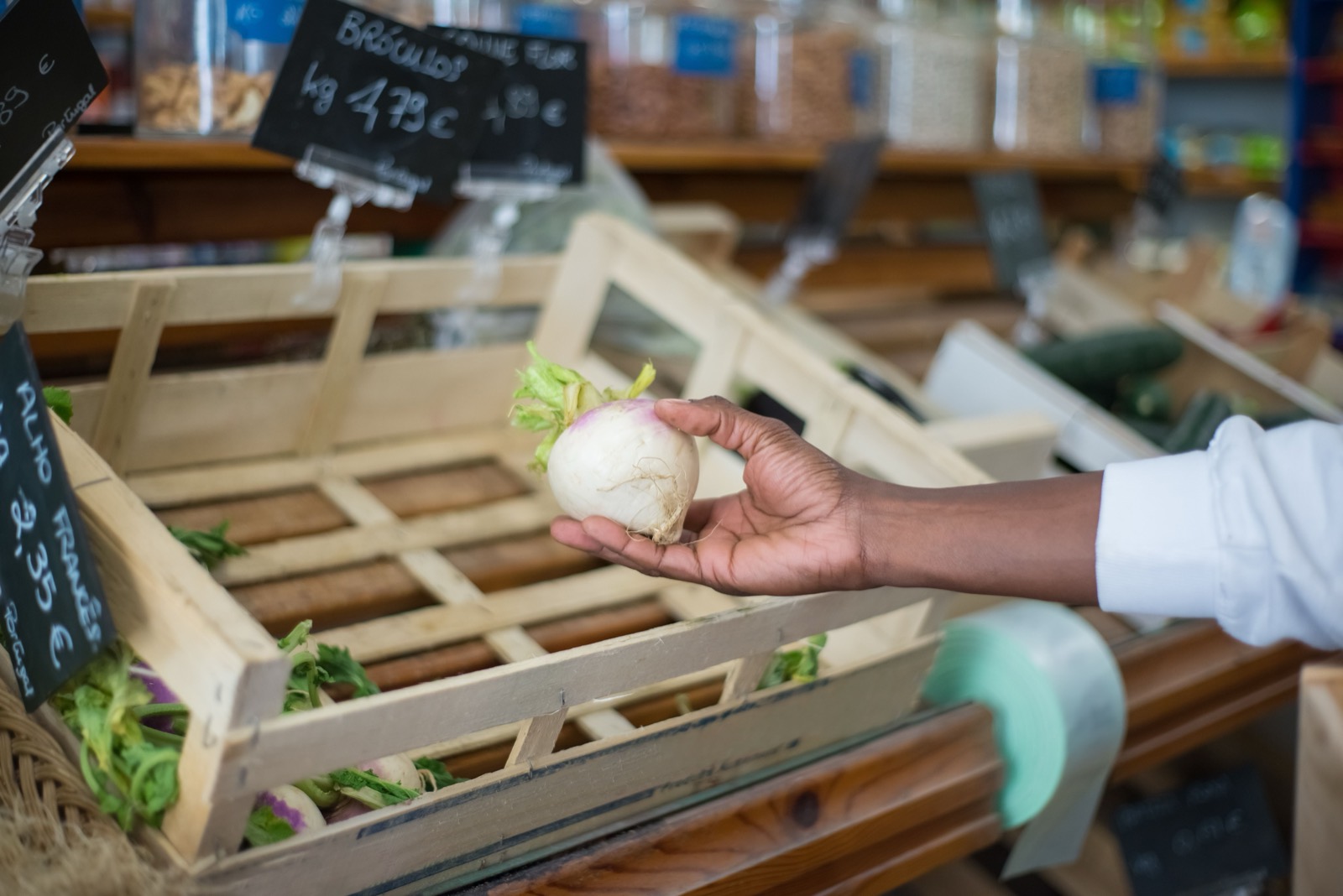
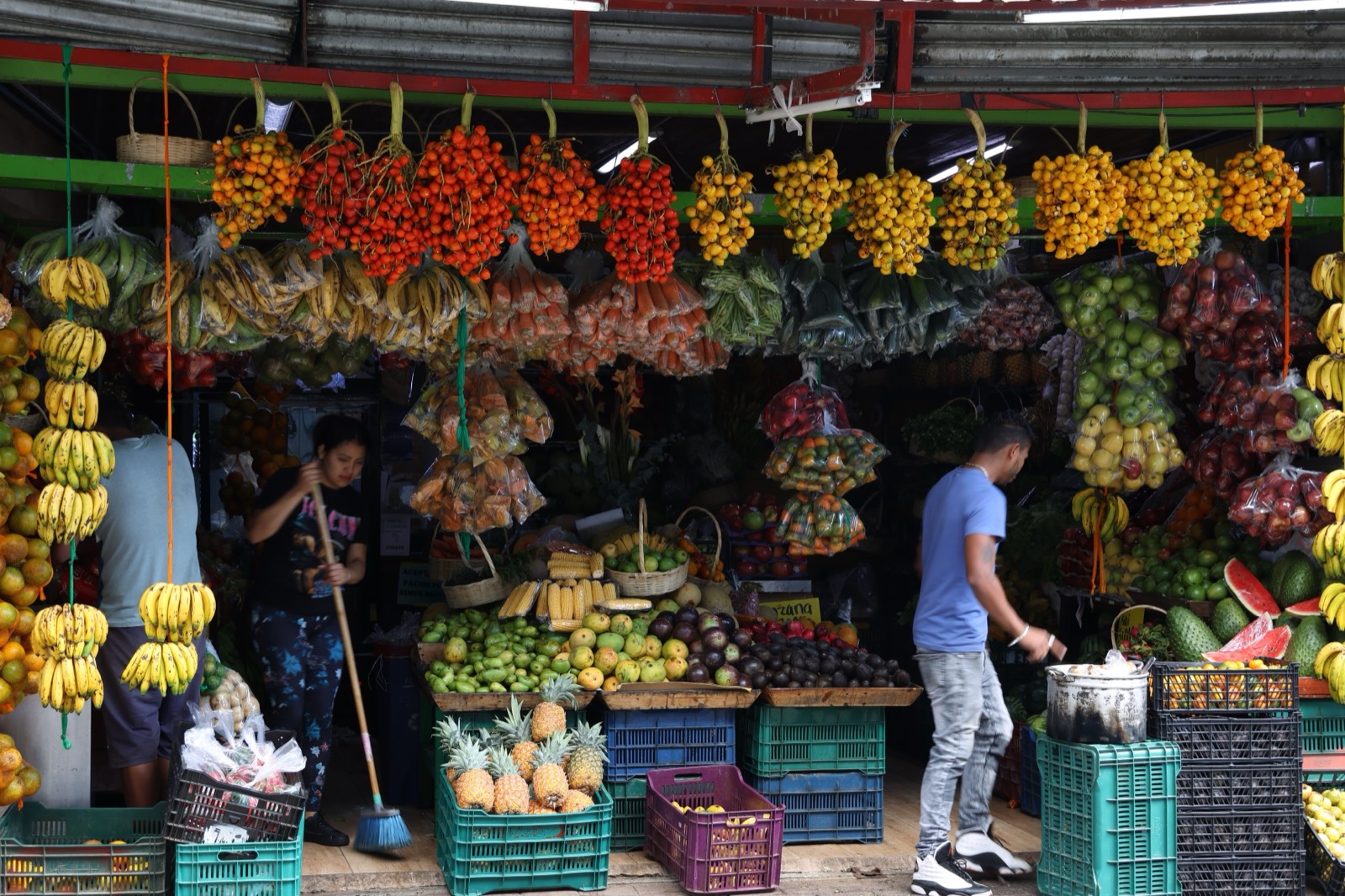
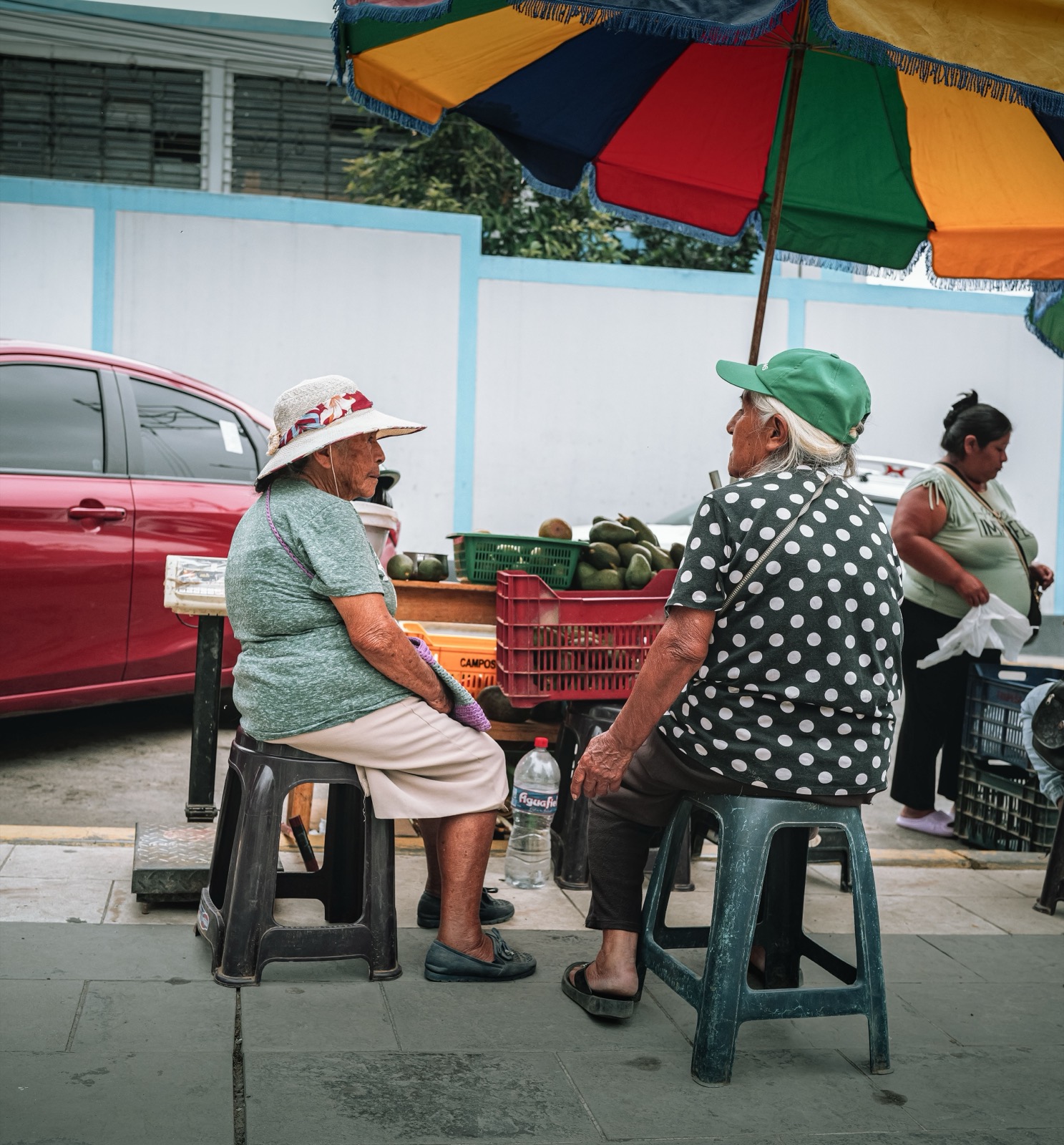
Market sales provide economic development streams for local grocers and restaurants to add more inventory and services.
Foundation research deck, 2026
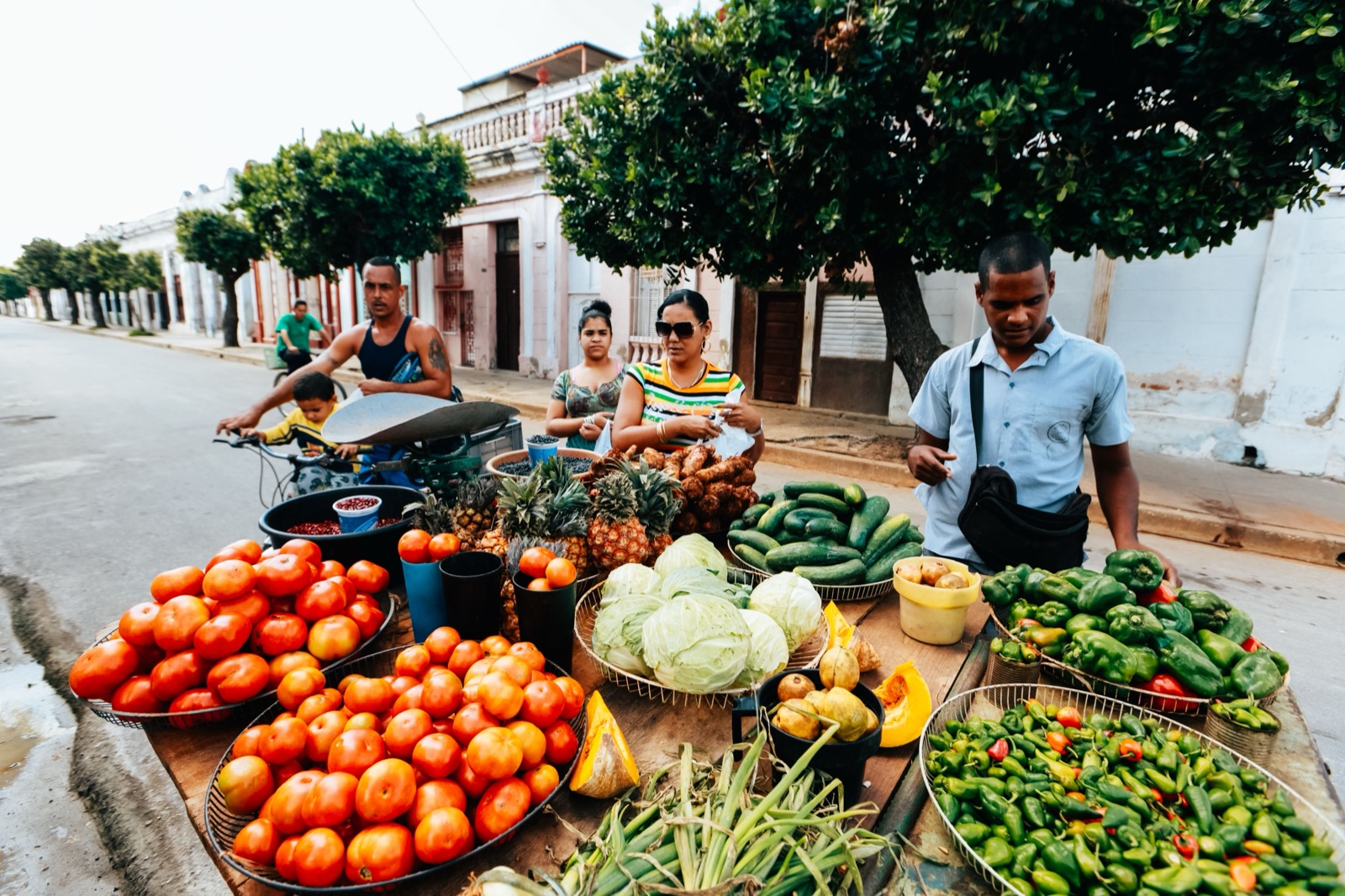
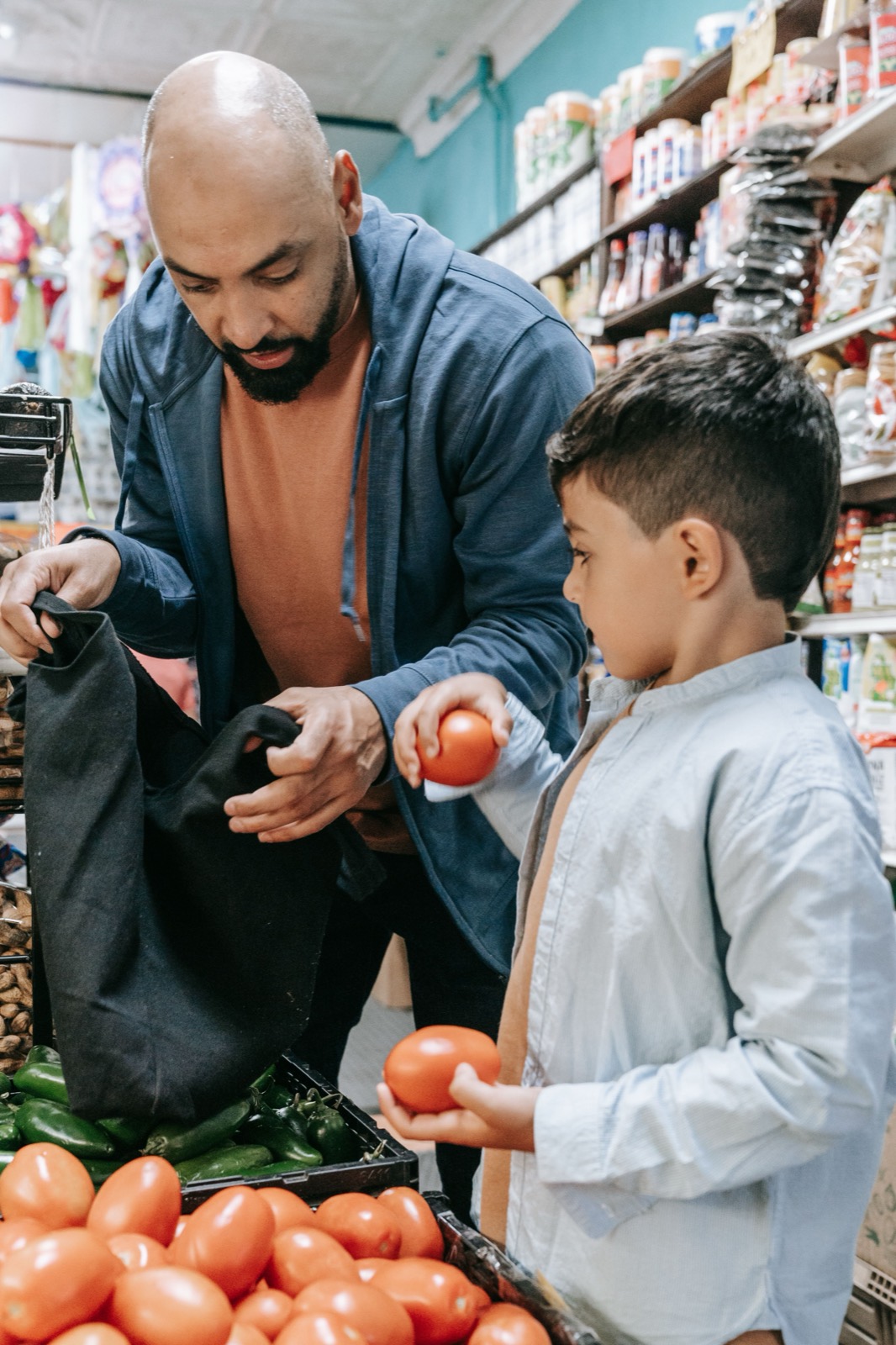
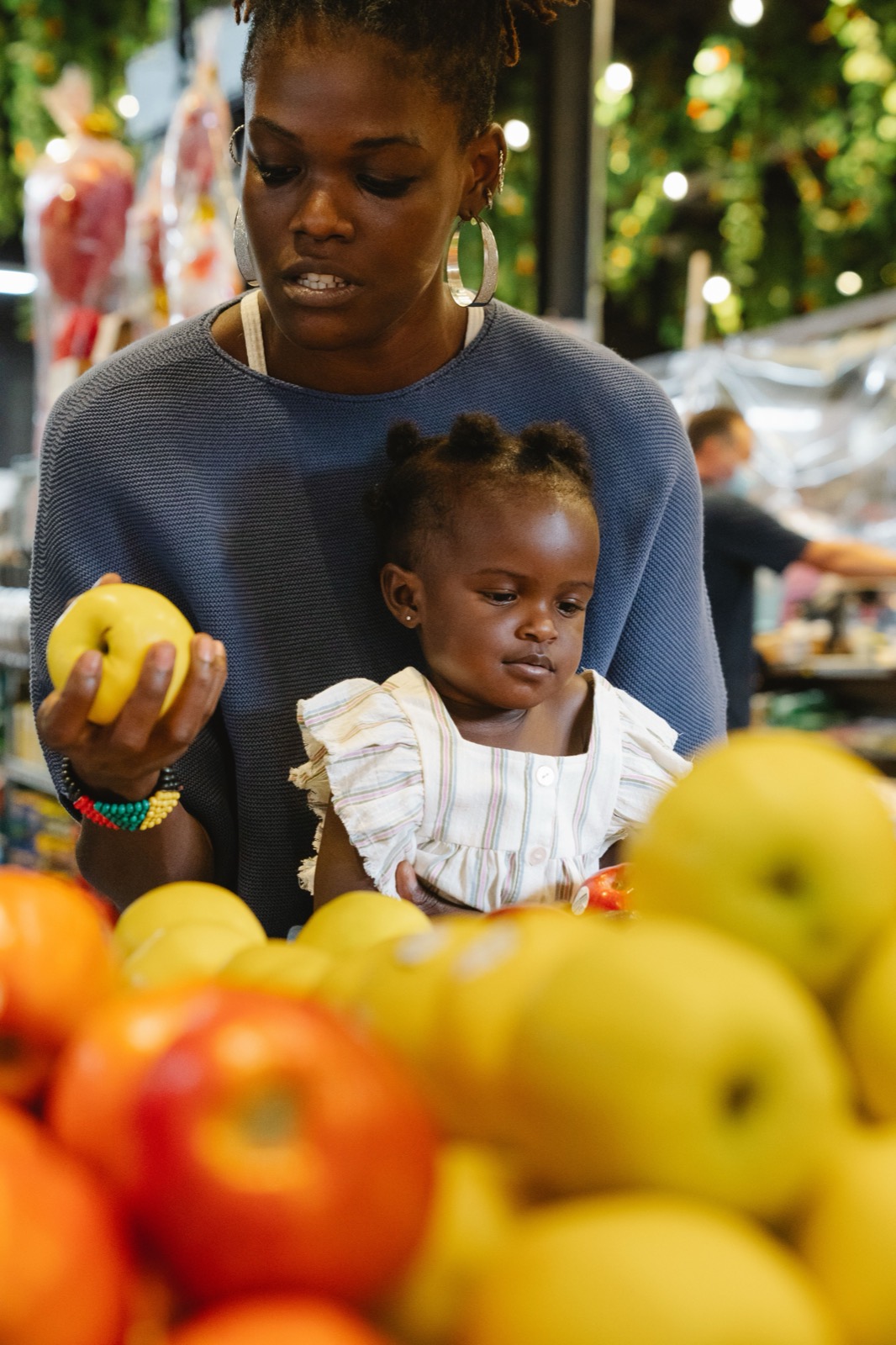
Grocery development follows a proven pattern: the store anchors a corner, and everyday services fill the spaces beside it. Our development team has built this pattern out for major grocery chains. In design: a nutrition service where a doctor's guidance shapes the food a family takes home.
Partnership details shared in conversation
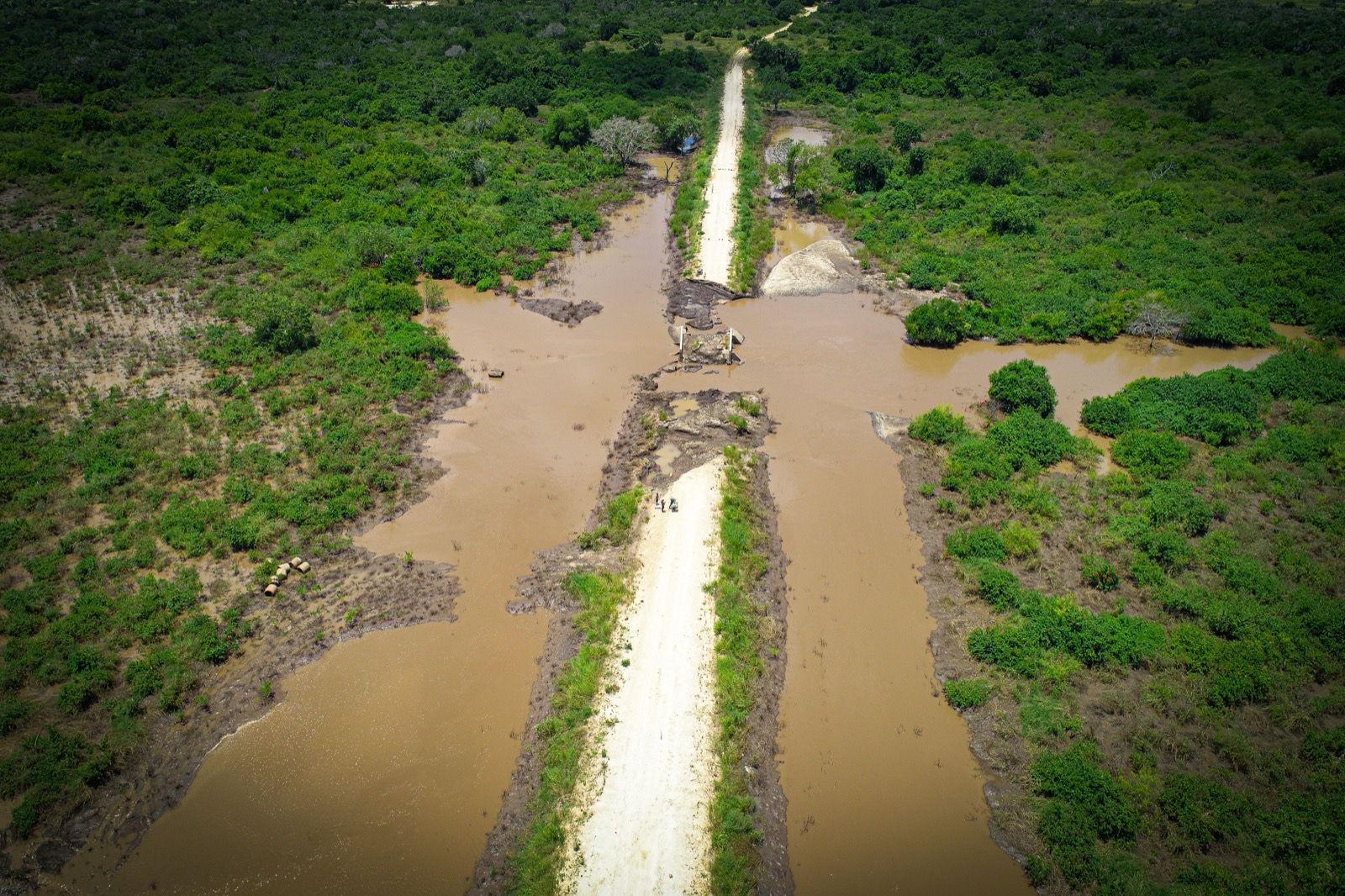
Clean water and reliable roads, built new or repaired, so access is permanent rather than seasonal. Farming needs them, and so does everyone else.
Foundation research deck, 2026
Gardens supply markets, farms stock stores, and local spending supports the neighborhood. After our work ends, the food system continues to thrive.
Cornucopia invites you to become a partner at the level that best meets your comfort towards helping us build sustainable systems.
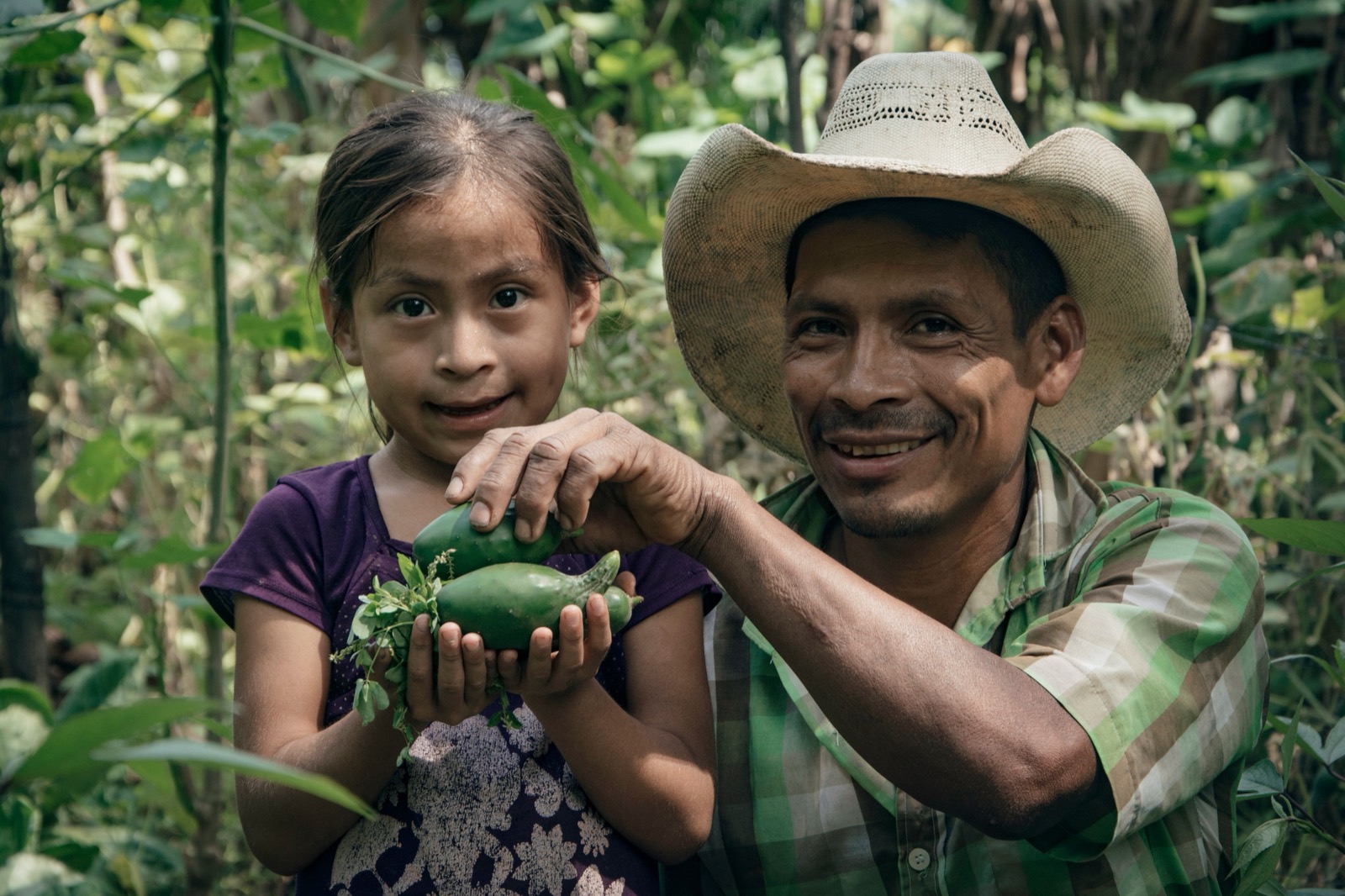
Meet a fundamental survival need for food and nutrition through your support of neighborhood stewardship of farms and markets that empower community stability and economic growth.
Two live maps, one for the world and one for the United States, show the current demographics of food insecurity worldwide.